

Condition
Brain fog and fatigue: finding the cause
Brain fog is a group of symptoms that make it hard to think clearly, focus and remember, often with fatigue. It is a sign of something else, such as poor sleep, stress, hormonal changes, an autoimmune condition, a past COVID-19 infection or a concussion. A brain fog doctor at INPM looks for the cause and builds a plan with you.
What are the symptoms of brain fog and fatigue?
- Difficulty concentrating or focusing
- Forgetfulness and losing your train of thought
- Slow thinking and mental exhaustion
- Confusion
- Tiredness that does not go away with rest
What causes them?
Brain fog and fatigue are symptoms, not a diagnosis. Common causes include:
- Lack of sleep, stress, anxiety or depression
- Hormonal changes, such as during pregnancy or menopause
- Autoimmune conditions, such as lupus or multiple sclerosis
- Diabetes or low blood sugar, and poor nutrition
- After-effects of COVID-19, chemotherapy or a concussion
- Some medicines
When should you see a doctor?
See a clinician if brain fog disrupts your daily activities, or if fatigue lasts more than a few days, has no clear reason or comes on suddenly. Get emergency care for fatigue with chest pain, shortness of breath, an unusually fast, slow or irregular heartbeat, or thoughts of harming yourself.
How are brain fog and fatigue evaluated at INPM?
Your clinician reviews your symptoms, sleep, medicines and health history, does a neurological exam and may order laboratory tests. Objective cognitive testing can measure memory, attention and reasoning:
 Cognitive testing (Creyos)Memory and thinkingLearn more about Cognitive testing (Creyos)
 Autonomic testingFainting and dizzinessLearn more about Autonomic testing
What treatment options are available?
Treatment targets the cause. Better sleep habits, regular physical activity, balanced nutrition, short breaks during the day and cognitive behavioral therapy help many people. INPM takes a multi-system approach that can include supplements and infusion therapy when appropriate. INPM offers evidence-based supplement support, including:
- General brain health support
- Methylation support, for people with an MTHFR gene variant
- Nerve support, to help manage neuropathy and neuropathic pain
- Mitochondrial support
- Support for neural network connectivity
- Support for brain (CNS) glial health and recovery from injury
- Support for brain (CNS) inflammation
- Support for CNS neurovascular coupling
- Support for blood-brain barrier integrity
- Support for glymphatic drainage, which is associated with sleep quality
- Support for acetylcholine function, to help address memory concerns
Who evaluates brain fog and fatigue at INPM?

Jessica Beck, PA-C
Physician Assistant · Traumatic brain injury, migraine, seizures and memory loss

Dr. Amar Anand
Neurologist · Headache, stroke and neuroimaging
Where can you be seen?
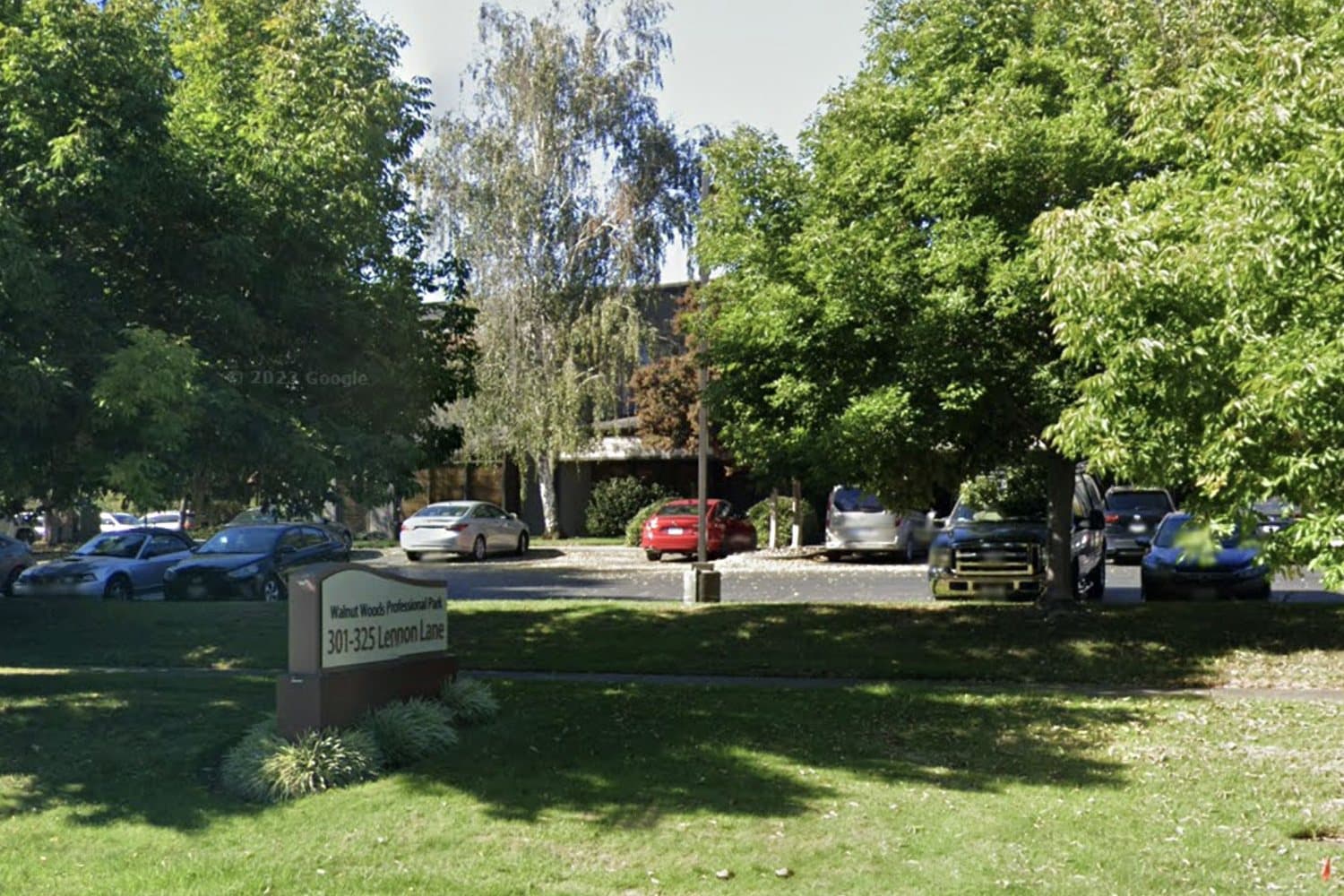 East Bay
INPM Walnut Creek
301 Lennon Lane, Suite 203Walnut Creek, CA 94598
- Wed and Fri
- 8:00 AM – 5:00 PM
- Sat
- 9:00 AM – 3:00 PM
 North Bay
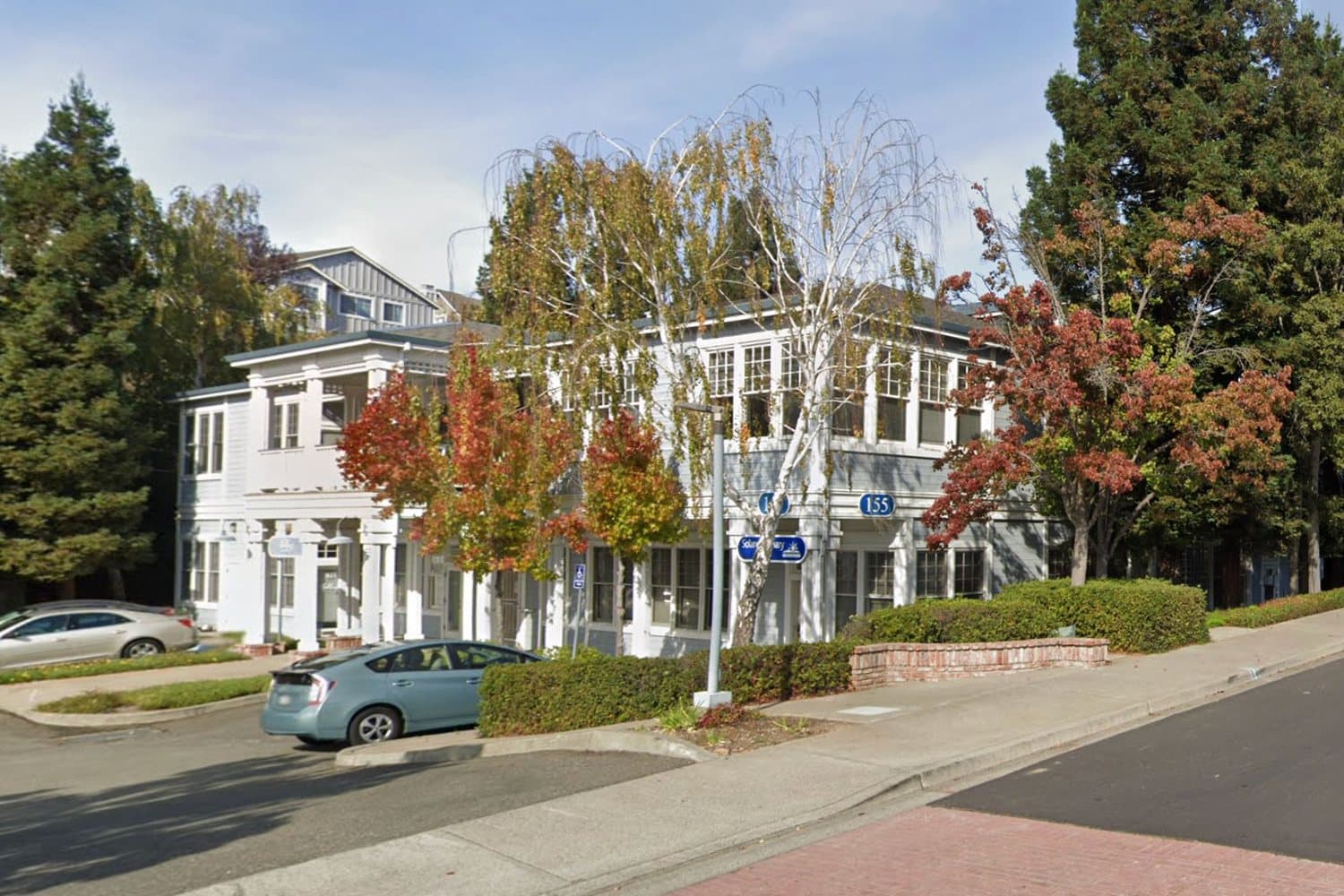
INPM Vallejo
155 Glen Cove Marina Rd, Suite 100Vallejo, CA 94591
- Mon, Tue and Thu
- 8:00 AM – 5:00 PM
Questions
Frequently asked questions
01Is brain fog a sign of dementia?
Usually not. Brain fog has many common, often treatable causes, such as lack of sleep, stress or medicines. When memory problems keep getting worse or affect daily life, an evaluation helps tell the difference.
02When is fatigue a reason to see a doctor?
Talk to a clinician if fatigue lasts more than a few days, makes it hard to work or do daily activities, has no clear reason or starts suddenly. Get emergency care for fatigue with chest pain, shortness of breath or an unusual heartbeat.
Referral required
Start with a referral from your doctor
New patients are seen by referral. Your primary care physician can fax the referral to (707) 980-6692 or send it through EPIC, and our office will call you to schedule.
- Referral fax (707) 980-6692
- EPIC referral
- We call you to schedule