

Treatment
Nerve blocks for headache and nerve pain
An occipital nerve block is an injection of anesthetic, sometimes with a steroid, near the occipital nerves at the back of the head. It is used to relieve migraine, occipital neuralgia, cluster headache and other headaches. The injection takes a few minutes, often works within 20 to 30 minutes, and relief can last hours to months.
What is a nerve block?
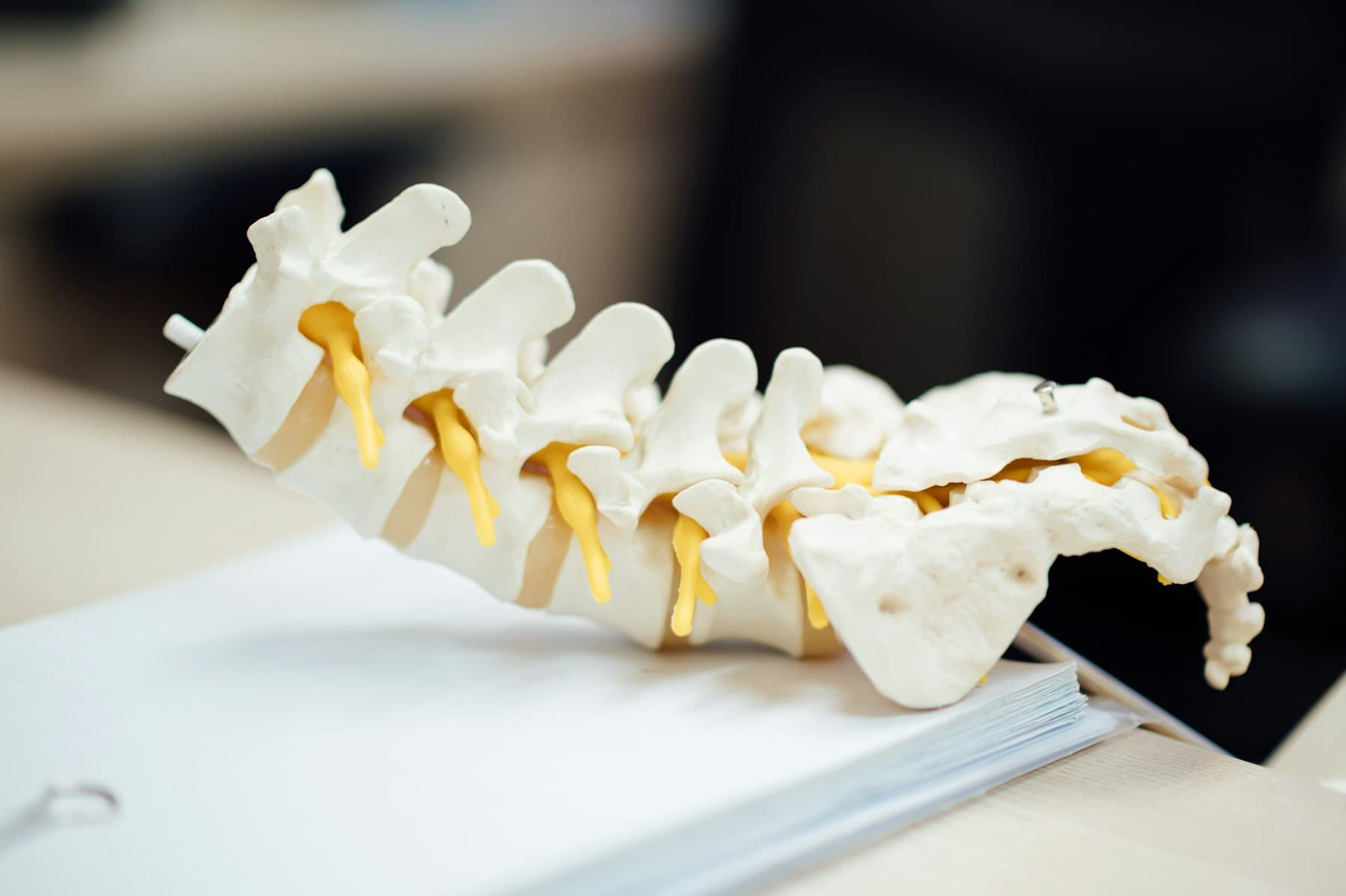
A nerve block is an injection of medication close to a nerve or group of nerves to provide temporary pain relief. For headache, the most common type is the occipital nerve block: the occipital nerves start in the upper neck and run along the back of the head, and an injection near them can calm the pain signals they carry.
At INPM, nerve blocks use a local anesthetic, with or without a corticosteroid. The anesthetic calms the pain signals; the corticosteroid, when added, reduces inflammation.
Which nerve blocks does INPM offer?
Occipital nerve block
An injection near the occipital nerves at the back of the head, for headache and neuralgia.
Median nerve block
An injection near the median nerve at the wrist, for carpal tunnel syndrome.
Which conditions does it treat?
Occipital nerve blocks are used for occipital neuralgia, migraine, cluster headache, cervicogenic headache (pain that starts in the neck) and headache after whiplash injury. Median nerve blocks are used for carpal tunnel syndrome, and nerve blocks are also part of INPM’s care for neuropathy.
 Migraine and headacheMigraine specialist care from neurologists in Walnut Creek and Vallejo, CA: symptoms, when to see a doctor, diagnosis and treatment options. By referral.Learn more about Migraine and headache
 NeuralgiaDiagnosis and treatment of trigeminal neuralgia, occipital neuralgia and other nerve pain in the face and head, at INPM in Walnut Creek and Vallejo, CA.Learn more about Neuralgia
 Concussion, post-concussion and whiplashA post-concussion doctor at INPM in Walnut Creek and Vallejo: care for concussion, lingering symptoms and whiplash, with testing and headache treatment.Learn more about Concussion, post-concussion and whiplash
 NeuropathyNeuropathy doctors and specialists at INPM in Walnut Creek and Vallejo: symptoms of nerve damage, in-office skin biopsy and autonomic testing, treatment.Learn more about Neuropathy
What happens during a session?
- You sit with your head tilted forward, or lie face down.
- Your clinician locates the nerve and cleans the skin.
- The medication is injected near the nerve. The injection itself usually takes no more than five minutes.
- You rest for 15 to 30 minutes before going home.
How long does the effect last?
When a block works, pain usually improves within 20 to 30 minutes. Relief can be variable and last for days to months, but the benefits usually persist for several weeks. Some conditions need a series of injections to get lasting relief.
What are the risks and side effects?
Occipital nerve blocks are generally safe. Common side effects are pain, redness or swelling where the needle went in. Some people feel dizzy or numb for a short time.
Less common risks include bleeding, fainting, infection, nerve injury and a temporary worsening of the headache. When a steroid is used, it can occasionally cause thinning of the skin or a small patch of hair loss at the injection site.
What is recovery like?
Most people go home after a short rest and return to their usual activities the same day. Call our office if you have concerns after the injection, such as signs of infection at the injection site or a headache that becomes much worse.
Questions
Frequently asked questions
01How long does a nerve block last?
Relief can be variable and last for days to months, but the benefits usually persist for several weeks. When the block works, pain often improves within 20 to 30 minutes, and some conditions need a series of injections for lasting relief.
02What medicine is used in a nerve block?
At INPM, nerve blocks use a local anesthetic, with or without a corticosteroid. The anesthetic calms the pain signals, and the corticosteroid, when added, reduces inflammation.
03Does an occipital nerve block hurt?
You may feel a pinch and some pressure during the injection, which takes only a few minutes. Afterward, the injection site can be sore, red or swollen for a short time.
04Can I go back to my normal activities after a nerve block?
Most people rest for 15 to 30 minutes after the injection and then go home. Normal activities can usually be resumed right away, unless your clinician tells you otherwise.
Who performs nerve blocks at INPM

Dr. Amar Anand
Neurologist · Headache, stroke and neuroimaging

Dr. Alexandra Nicholson
Neurologist · Parkinson’s disease and movement disorders

Jessica Beck, PA-C
Physician Assistant · Traumatic brain injury, migraine, seizures and memory loss

Alice Feng, PA-C
Physician Assistant · Traumatic brain injury, migraine, seizures and memory loss
Referral required
Start with a referral from your doctor
New patients are seen by referral. Your primary care physician can fax the referral to (707) 980-6692 or send it through EPIC, and our office will call you to schedule.
- Referral fax (707) 980-6692
- EPIC referral
- We call you to schedule