

Condition
Post-concussion doctor: concussion, post-concussive syndrome and whiplash
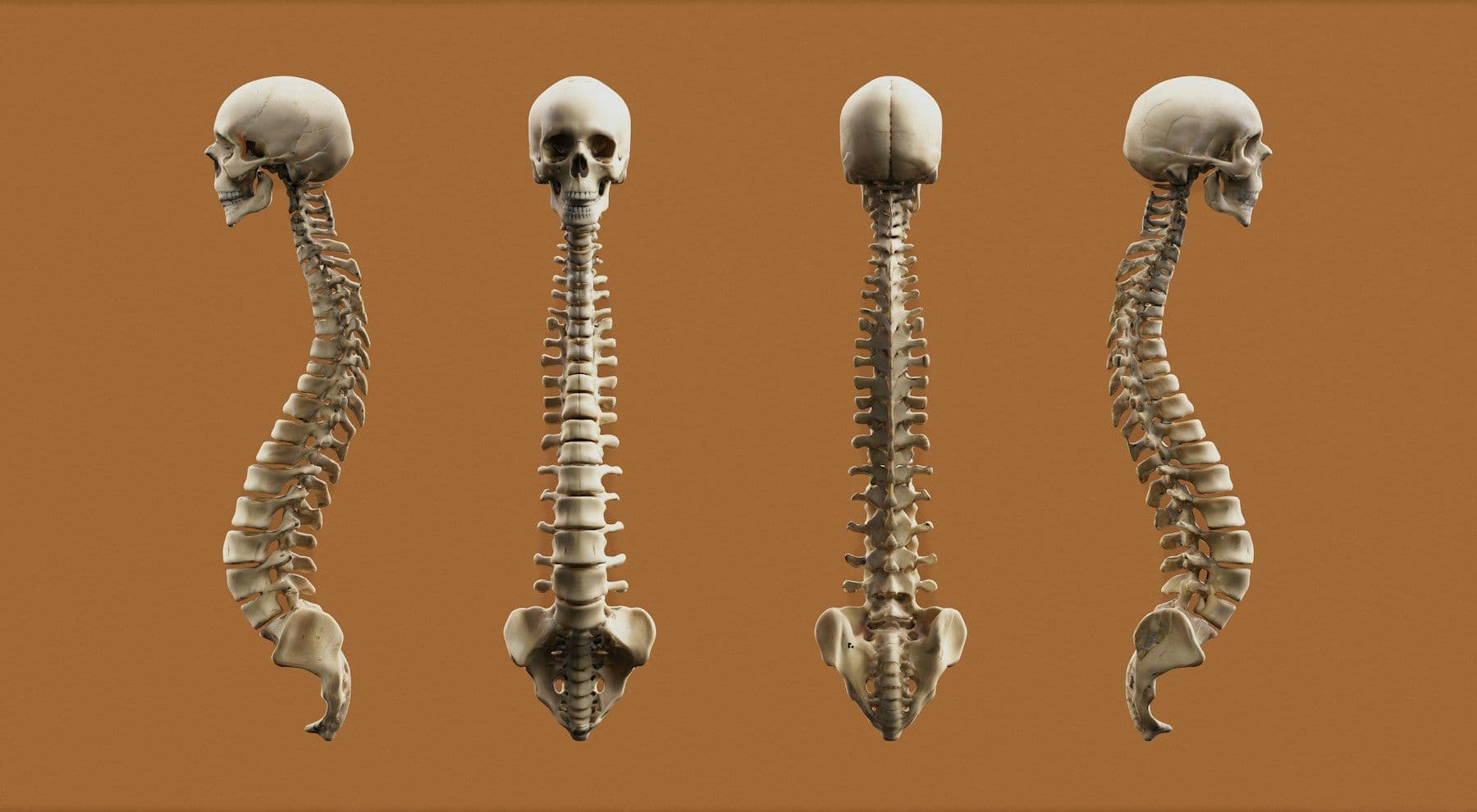
A concussion is a mild traumatic brain injury that can cause headache, dizziness, memory problems, mood changes and trouble sleeping. Whiplash is a neck injury from a sudden back-and-forth movement, often in a car crash, that can cause neck pain and headache. Most people recover within weeks; INPM evaluates and treats symptoms that persist.
What are the symptoms of concussion and whiplash?
Concussion symptoms can start right away or appear hours or days later:
- Physical: headache, dizziness or balance problems, sensitivity to light or noise, nausea, vision problems, tiredness
- Thinking and memory: trouble concentrating, feeling slowed down or foggy, memory problems
- Emotional: irritability, anxiety, sadness, feeling more emotional
- Sleep: sleeping more or less than usual, trouble falling asleep
Whiplash symptoms include neck pain and stiffness, pain that spreads to the head, shoulders or upper back, muscle spasms, headaches, dizziness, and numbness or tingling in the arms.
What is post-concussive syndrome?
Most people feel better within a couple of weeks after a concussion. When symptoms such as headache, dizziness, trouble concentrating, irritability or poor sleep last for weeks or longer, this is often called post-concussive (post-concussion) syndrome. A neurological evaluation helps identify which symptoms are driving the problem and how to treat them.
When should you see a doctor?
See a clinician if symptoms last more than a couple of weeks, get worse, or keep you from work, school or driving. Get emergency care for a headache that gets worse and does not go away, weakness or numbness, repeated vomiting, slurred speech, a seizure, unusual behavior, or loss of consciousness.
How are concussion and whiplash evaluated at INPM?
Your clinician asks about the injury and your symptoms and does a neurological exam. Depending on your symptoms, in-office tests can measure thinking skills and balance:
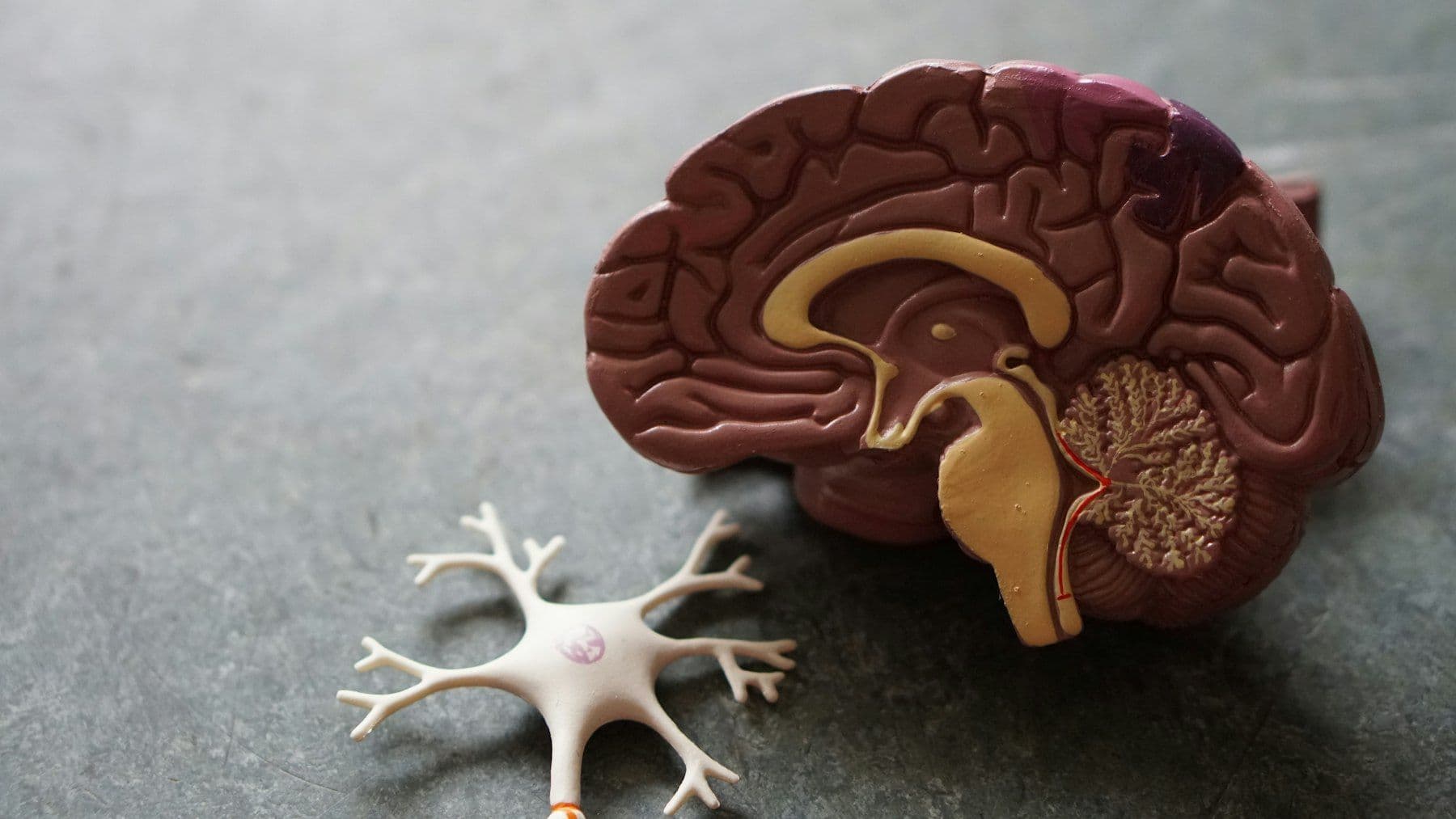 Cognitive testing (Creyos)Memory and thinkingLearn more about Cognitive testing (Creyos)
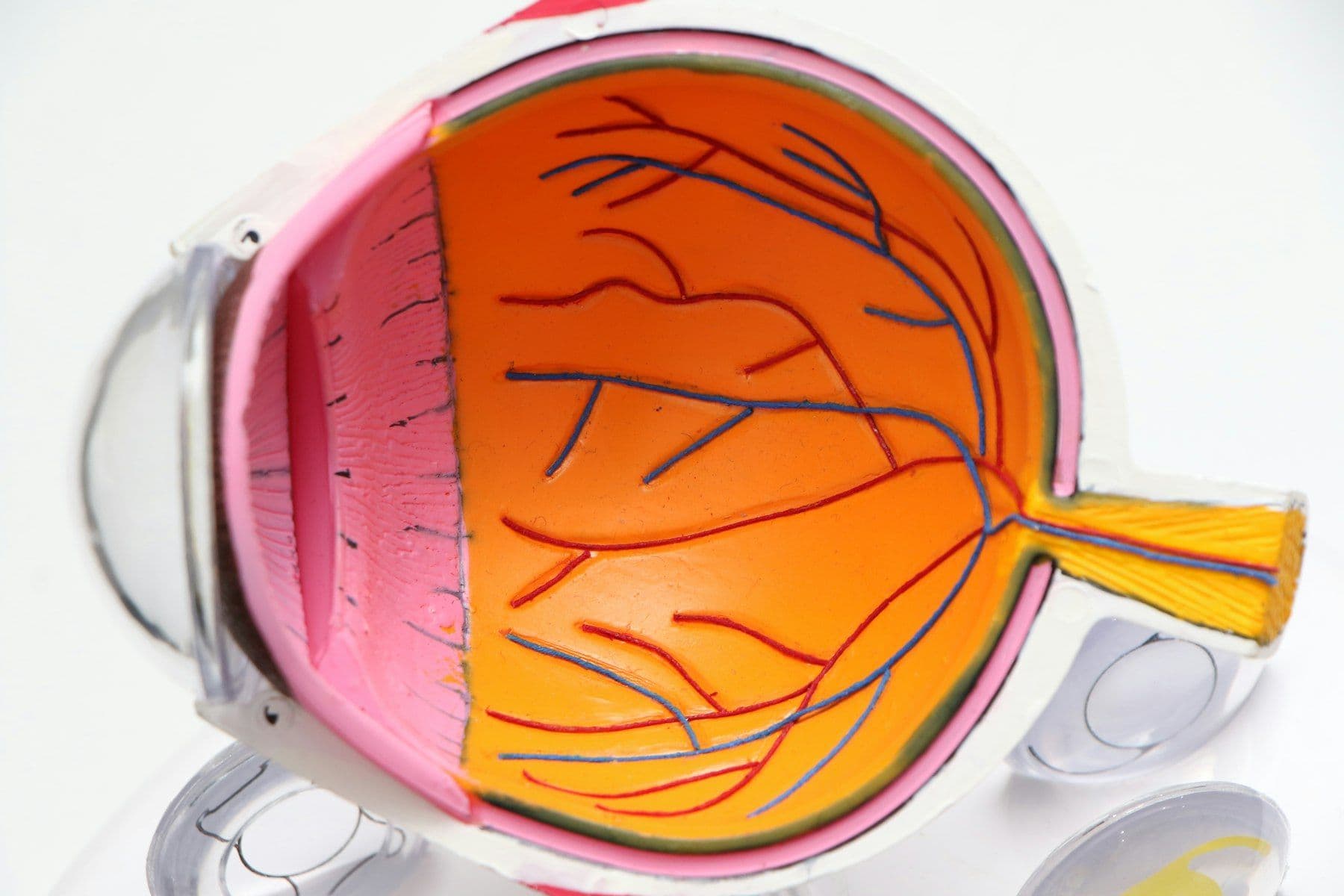 VNG and balance testingDizziness and vertigoLearn more about VNG and balance testing
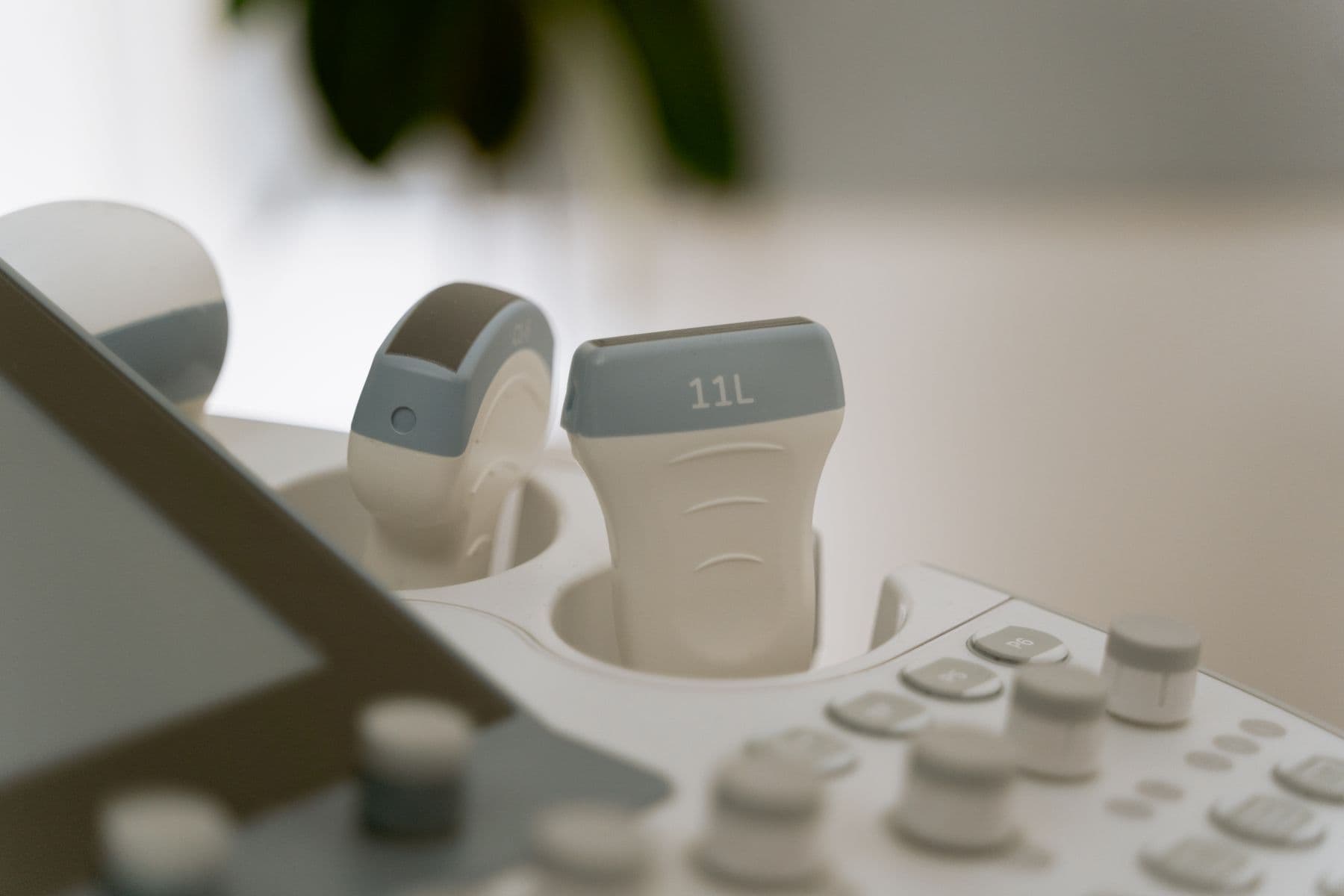 Carotid / transcranial DopplerBlood flow to the brainLearn more about Carotid / transcranial Doppler
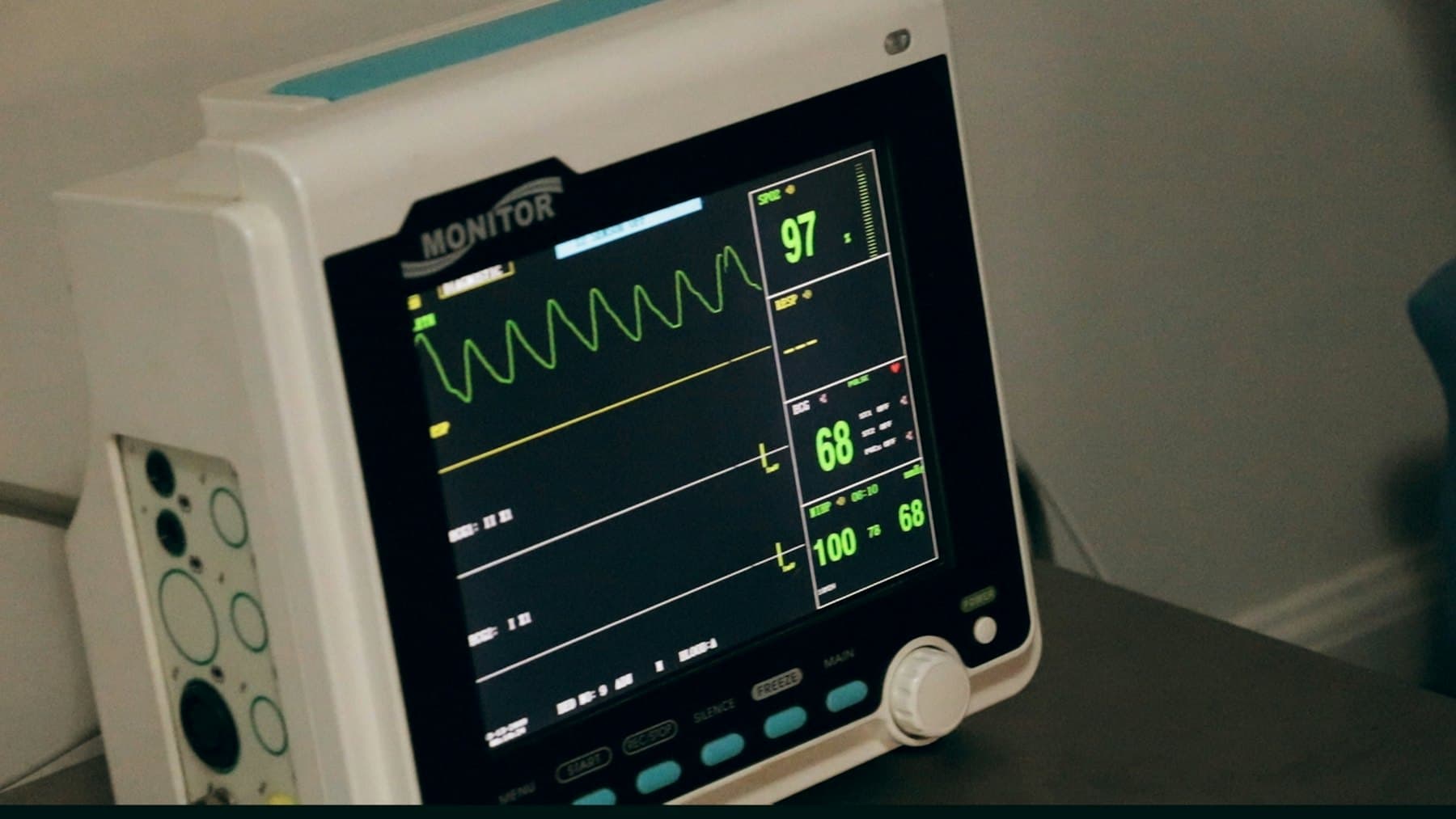 Autonomic testingFainting and dizzinessLearn more about Autonomic testing
What treatment options are available?
Most people recover with relative rest and a gradual return to activity. For lasting headache and neck pain, options at INPM include:
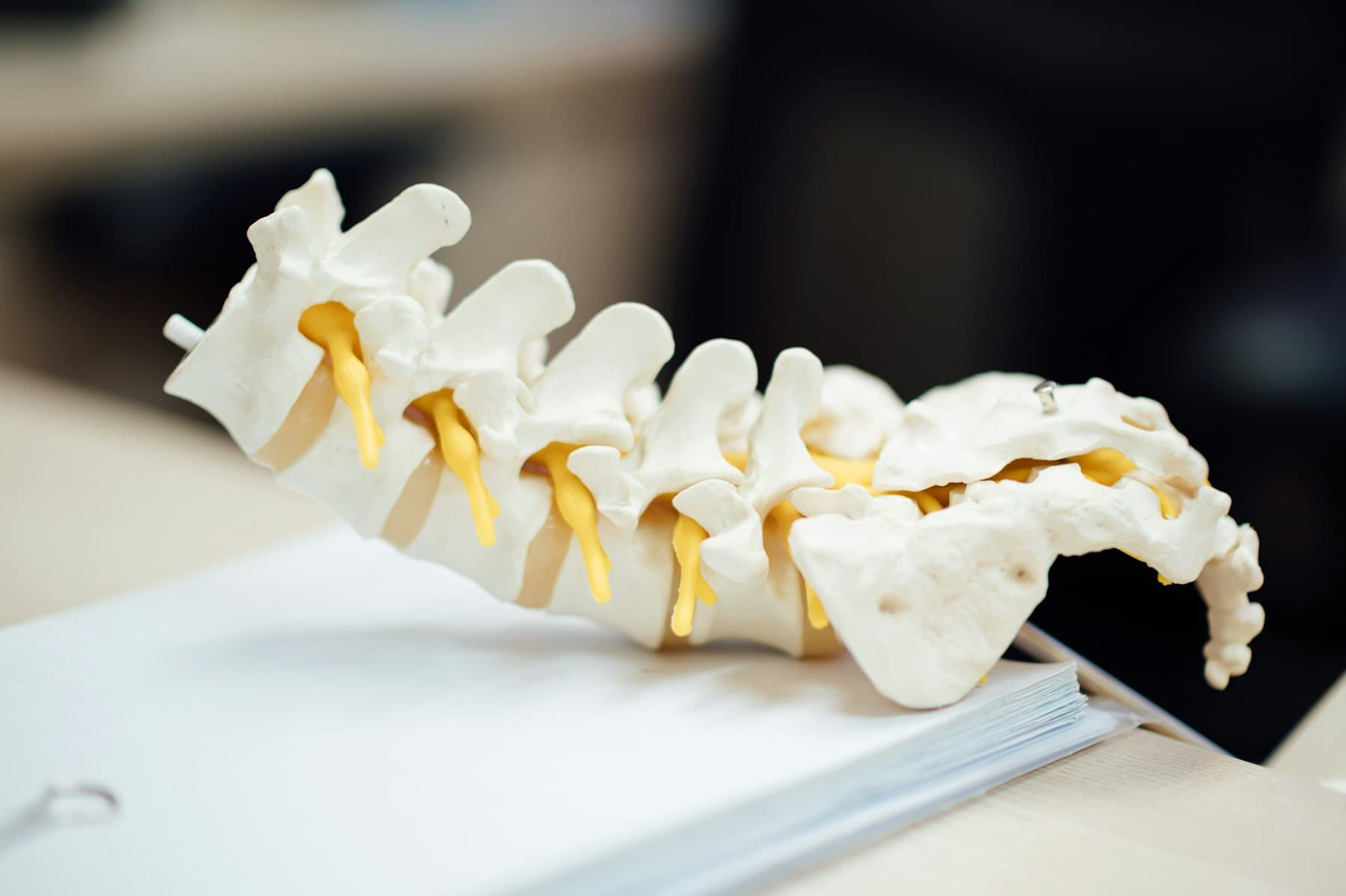 Nerve blocksAnesthetic injections near a nerve to relieve headache and painLearn more about Nerve blocks
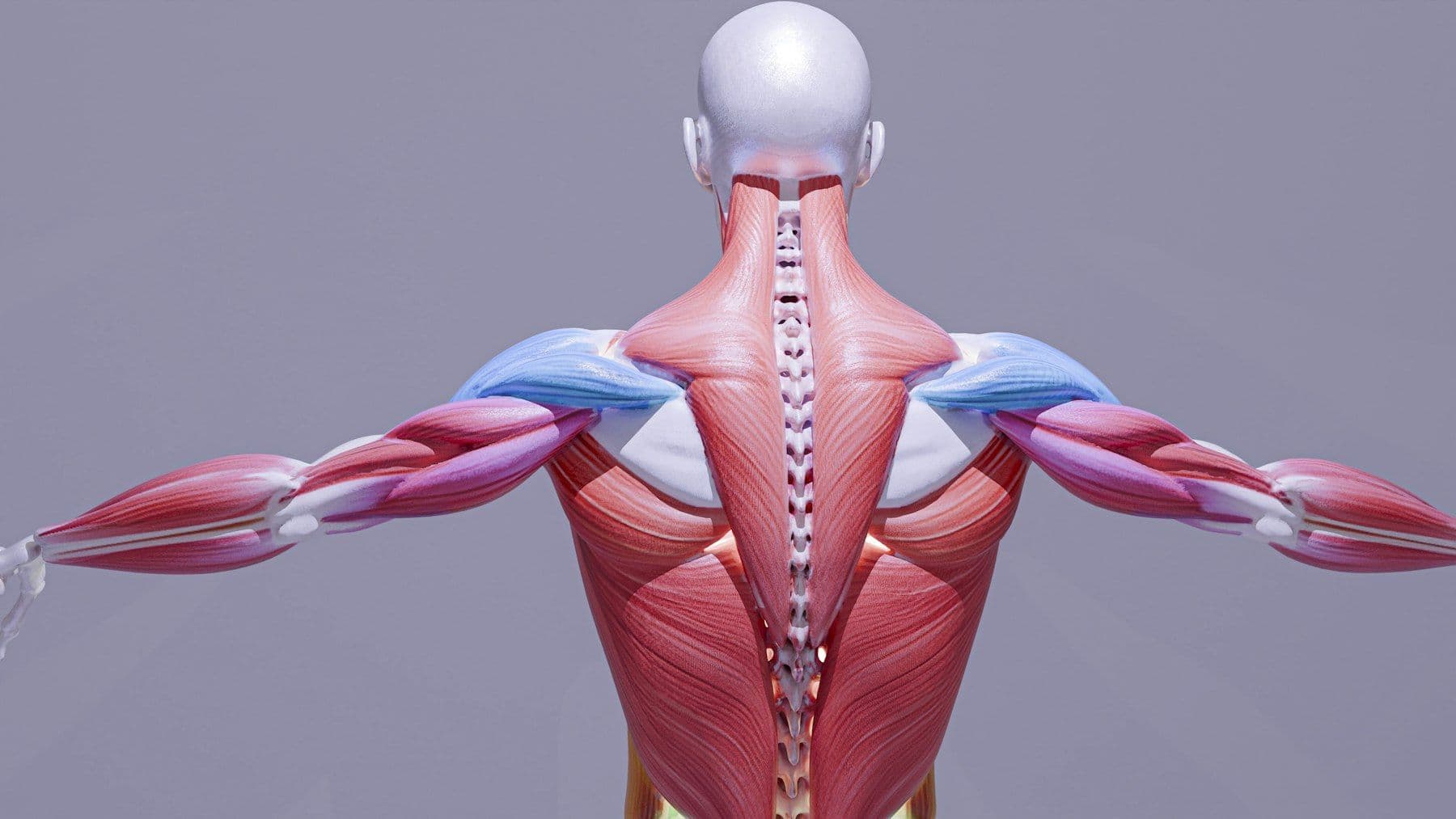 Trigger point injectionsAnesthetic injections into tight muscle knots that trigger painLearn more about Trigger point injections
Dr. Anand also provides independent medical opinions for concussion and traumatic brain injury cases.
Who treats concussion and whiplash at INPM?

Jessica Beck, PA-C
Physician Assistant · Traumatic brain injury, migraine, seizures and memory loss

Dr. Amar Anand
Neurologist · Headache, stroke and neuroimaging
Where can you be seen?
 East Bay
INPM Walnut Creek
301 Lennon Lane, Suite 203Walnut Creek, CA 94598
- Wed and Fri
- 8:00 AM – 5:00 PM
- Sat
- 9:00 AM – 3:00 PM
 North Bay
INPM Vallejo
155 Glen Cove Marina Rd, Suite 100Vallejo, CA 94591
- Mon, Tue and Thu
- 8:00 AM – 5:00 PM
Questions
Frequently asked questions
01How long do concussion symptoms last?
Most people feel better within a couple of weeks, and symptoms are usually worst in the first one to two days. For some people, symptoms last for weeks or longer, which is a reason to see a neurologist.
02Why can whiplash symptoms start a day or more after a crash?
Some whiplash symptoms appear right away, but others can take at least 12 hours, a full day or even a few days to show up. See a clinician if new symptoms develop after a crash.
03Can whiplash cause headaches?
Yes. Neck pain from whiplash can spread to the head, and headaches are a common symptom. Some people develop occipital neuralgia, a nerve pain at the back of the head, after a neck injury.
Referral required
Start with a referral from your doctor
New patients are seen by referral. Your primary care physician can fax the referral to (707) 980-6692 or send it through EPIC, and our office will call you to schedule.
- Referral fax (707) 980-6692
- EPIC referral
- We call you to schedule