


Treatment
Botox injections for chronic migraine and movement disorders
Botox (onabotulinumtoxinA) is a medicine injected into specific muscles to calm overactive nerves and muscle contractions. At INPM, our neurologists and physician assistants use Botox injections to prevent chronic migraine and to treat dystonia, blepharospasm, hemifacial spasm and spasticity. The effect builds over a few weeks and usually lasts about three months, so treatment is repeated on a regular schedule.
What are Botox injections?
Botox (onabotulinumtoxinA) is a purified medicine that, injected in small amounts into specific muscles, blocks the nerve signals that make them contract and calms overactive nerves. In neurology it is used to prevent chronic migraine and to relax muscles that tighten or spasm on their own.
Which conditions does INPM treat with Botox?
Chronic migraine
FDA-approved to prevent chronic migraine, usually headaches on 15 or more days a month.
Dystonia
Involuntary muscle contractions that cause twisting movements or abnormal postures.
Blepharospasm
Involuntary blinking or forceful closing of the eyelids.
Hemifacial spasm
Twitching of the muscles on one side of the face.
Spasticity
Stiff, tight muscles after a stroke, brain injury or other neurological conditions.
 Migraine and headacheMigraine specialist care from neurologists in Walnut Creek and Vallejo, CA: symptoms, when to see a doctor, diagnosis and treatment options. By referral.Learn more about Migraine and headache
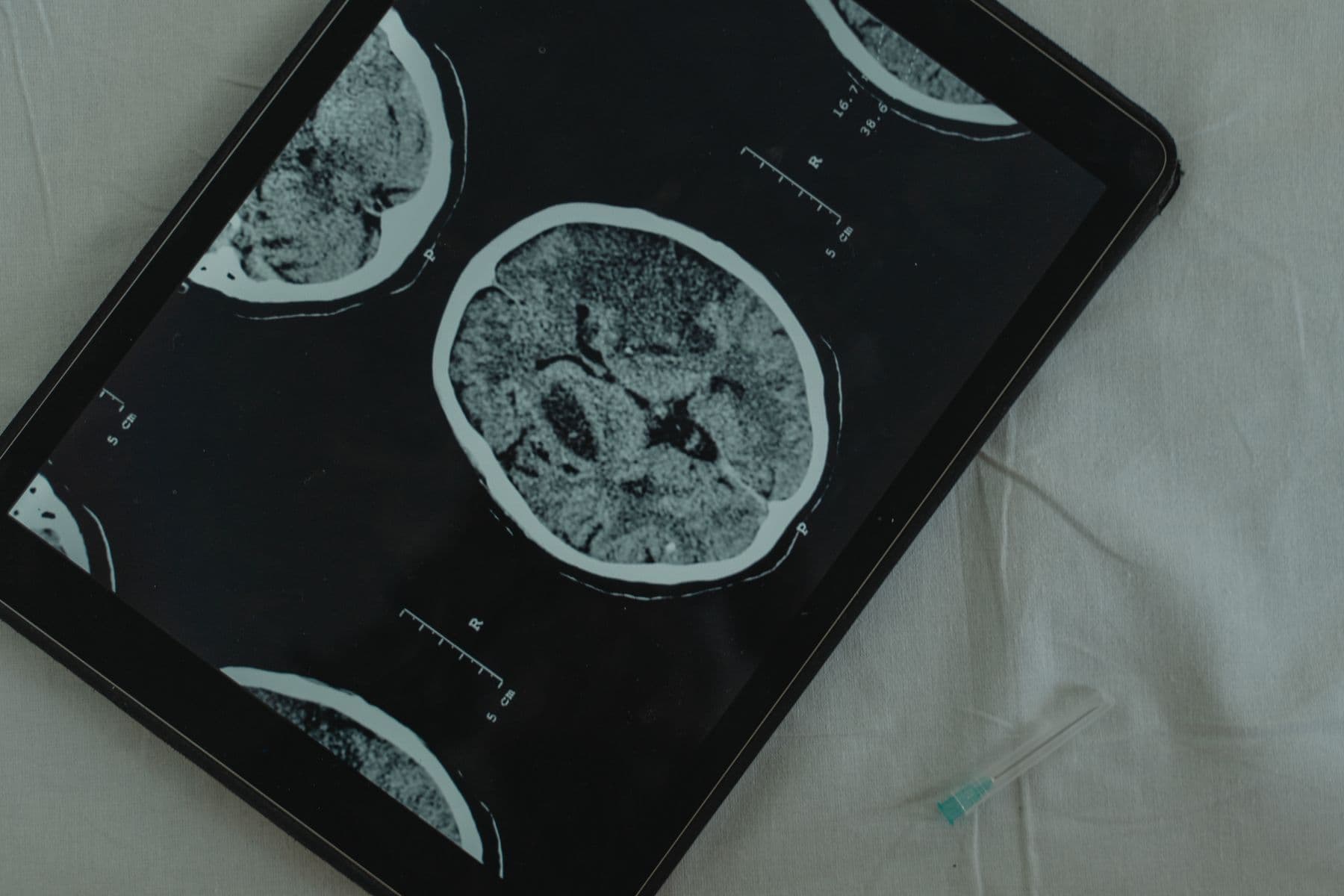 StrokeA stroke neurologist at INPM in Walnut Creek and Vallejo for follow-up and prevention: warning signs, carotid and transcranial Doppler and bubble study.Learn more about Stroke
What happens during a session?
For chronic migraine, treatment follows a standard pattern of small injections in the head, neck and shoulders:
- Small injections across seven areas of the head, neck and shoulders
- 31
- Length of a typical session, in the office, with no anesthesia
- 15–20 min
- Usual time between treatments
- 12 weeks
For dystonia, blepharospasm, hemifacial spasm and spasticity, your clinician chooses the muscles and the dose for your symptoms, and adjusts them from one session to the next.
How long does the effect last?
The effect builds over a few weeks and usually lasts about three months, so injections are repeated on a regular schedule. For chronic migraine, your clinician reviews how well the treatment works after a few rounds before deciding whether to continue.
What are the risks and side effects?
Side effects are usually mild and temporary:
- Pain, redness or bruising where the needle went in
- Neck pain or a headache
- Flu-like symptoms
- Temporary drooping of an eyelid or eye irritation, which is less common
What is recovery like?
There is no recovery time: you go home right after the session and continue your usual activities. Call our office if you have concerns after treatment.
Questions
Frequently asked questions
01Who is Botox for migraine for?
Botox is FDA-approved to prevent chronic migraine, which usually means headaches on 15 or more days a month. It is not used to stop a migraine attack that has already started.
02How often are Botox injections repeated?
For chronic migraine, injections are usually repeated about every 12 weeks, and your clinician reviews how well they work after a few rounds. For dystonia and muscle spasms, the effect typically wears off after about three months, so treatment is repeated on a schedule.
03What are the side effects of Botox injections?
Side effects are usually mild and temporary, such as pain or bruising where the needle went in, neck pain or a headache. Less often, an eyelid can droop for a short time. Tell your clinician about all your medicines and conditions before treatment.
Who performs botox injections at INPM

Dr. Amar Anand
Neurologist · Headache, stroke and neuroimaging

Dr. Alexandra Nicholson
Neurologist · Parkinson’s disease and movement disorders

Jessica Beck, PA-C
Physician Assistant · Traumatic brain injury, migraine, seizures and memory loss

Alice Feng, PA-C
Physician Assistant · Traumatic brain injury, migraine, seizures and memory loss
Referral required
Start with a referral from your doctor
New patients are seen by referral. Your primary care physician can fax the referral to (707) 980-6692 or send it through EPIC, and our office will call you to schedule.
- Referral fax (707) 980-6692
- EPIC referral
- We call you to schedule