

Condition
Migraine and headache specialists in the Bay Area
Migraine is a neurological condition that causes repeated episodes of moderate to severe, often throbbing head pain, usually on one side, frequently with nausea and sensitivity to light, sound or smells. At INPM in Walnut Creek and Vallejo, neurologists evaluate headache and migraine and build a treatment plan with you, by physician referral.
What are the symptoms of migraine?
Migraine is more than a bad headache. Symptoms vary from person to person, but they often include:
- Moderate to severe throbbing or pulsing pain, usually on one side of the head
- Nausea or vomiting
- Sensitivity to light, sound or smells
- Tiredness, mood changes or trouble concentrating, before or after an episode
Some people have an aura before the headache: usually vision changes such as dots, zigzags or flashing lights, and sometimes tingling or trouble speaking. An aura typically starts 10 minutes to an hour before the headache and lasts no more than an hour.
When should you see a doctor about headaches?
See a healthcare provider if you have new headache symptoms, if your symptoms are getting worse, or if your treatment causes side effects. Migraine headaches on at least 15 days a month for more than three months are called chronic migraine, and are a reason to see a neurologist.
Call 911 or go to the emergency room if you have the worst headache of your life, a headache after a head injury, or a headache with trouble speaking, weakness, numbness, vision loss, confusion or a seizure.
How is migraine diagnosed at INPM?
Migraine is diagnosed mainly from your history and a neurological exam. Your neurologist will ask when the headaches start, how long they last, what they feel like, what seems to trigger them and what other symptoms come with them. Imaging such as MRI or CT is not usually needed to diagnose migraine; it is ordered when another cause of headache needs to be ruled out.
Keeping a headache journal before your visit helps: note the time, intensity and length of each headache, what you were doing, what you ate, how you slept and which medicines you took.
 TCD bubble studyStroke evaluationLearn more about TCD bubble study
 VNG and balance testingDizziness and vertigoLearn more about VNG and balance testing
 Carotid / transcranial DopplerBlood flow to the brainLearn more about Carotid / transcranial Doppler
What treatment options are available?
Migraine treatment has two goals: relieving symptoms during an episode and preventing future episodes. Acute medicines are taken as soon as symptoms start; preventive medicines are taken regularly to reduce how often and how severely episodes happen. Your neurologist will choose the options that fit your pattern of headaches and your other health conditions. GeneSight® genetic testing may provide additional information to help guide medication selection and dosing when applicable.
At INPM, treatment can also include in-office procedures for headache:
 Botox injectionsChronic migraine, dystonia and muscle spasmsLearn more about Botox injections
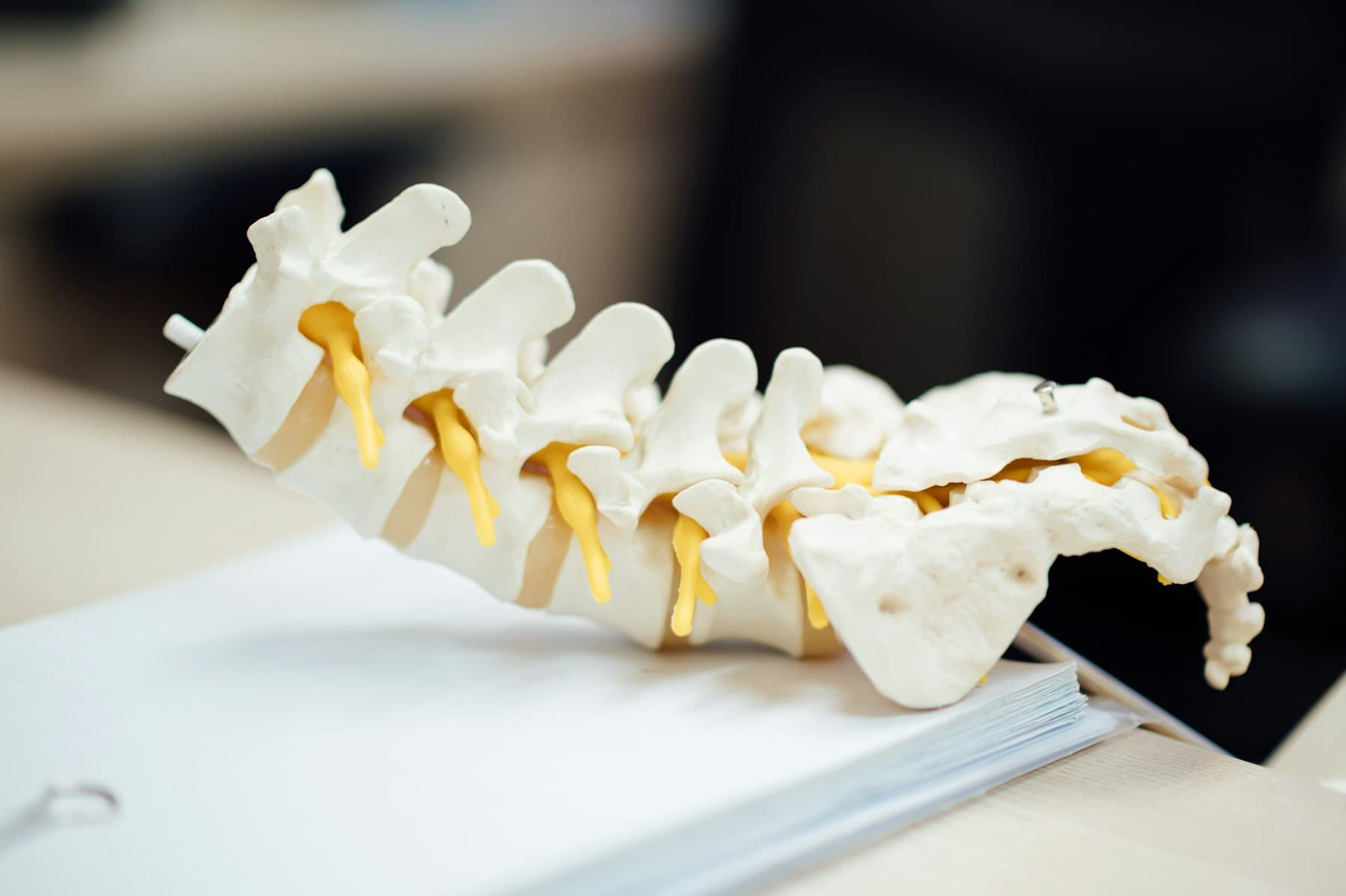 Nerve blocksAnesthetic injections near a nerve to relieve headache and painLearn more about Nerve blocks
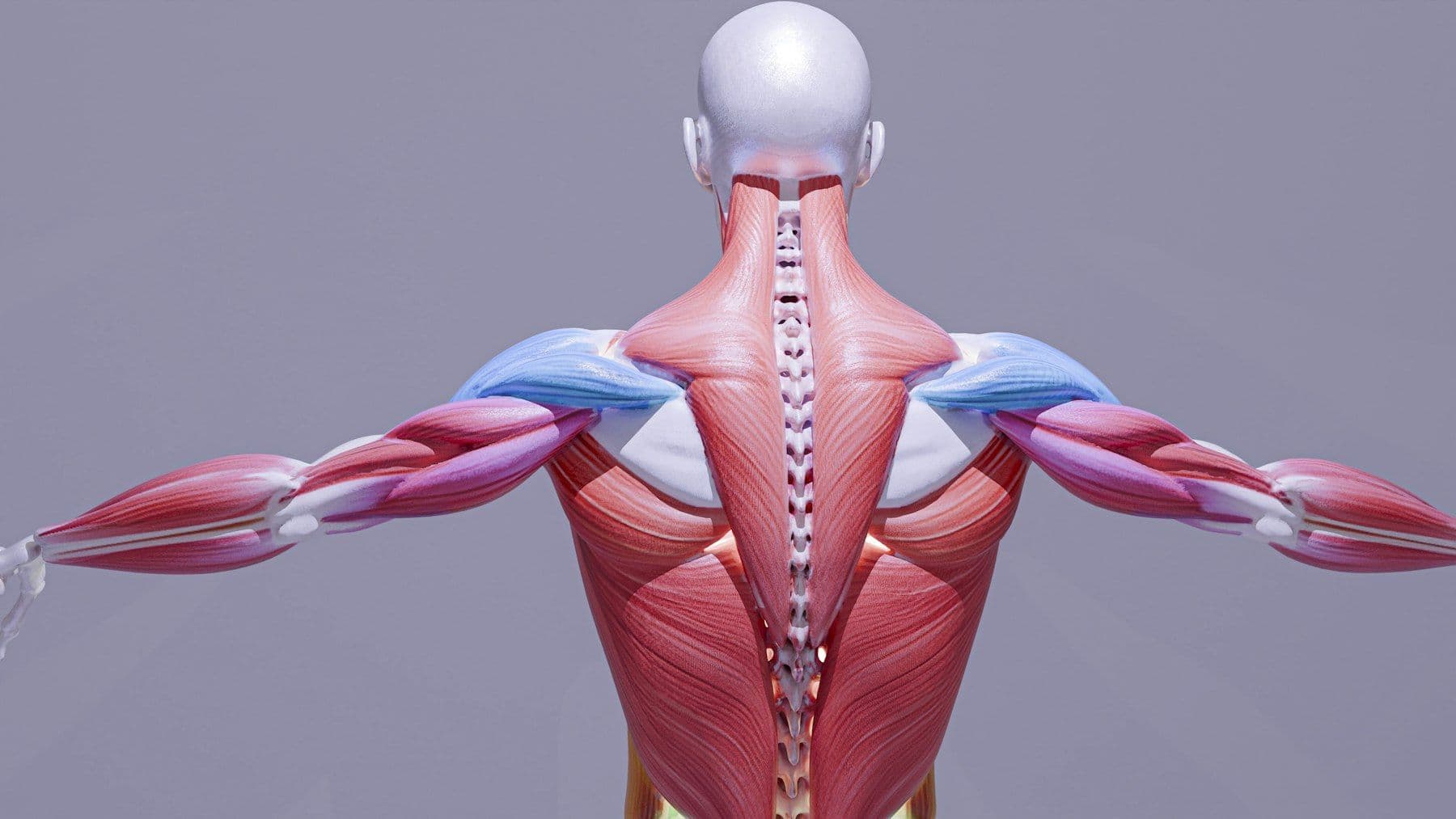 Trigger point injectionsAnesthetic injections into tight muscle knots that trigger painLearn more about Trigger point injections
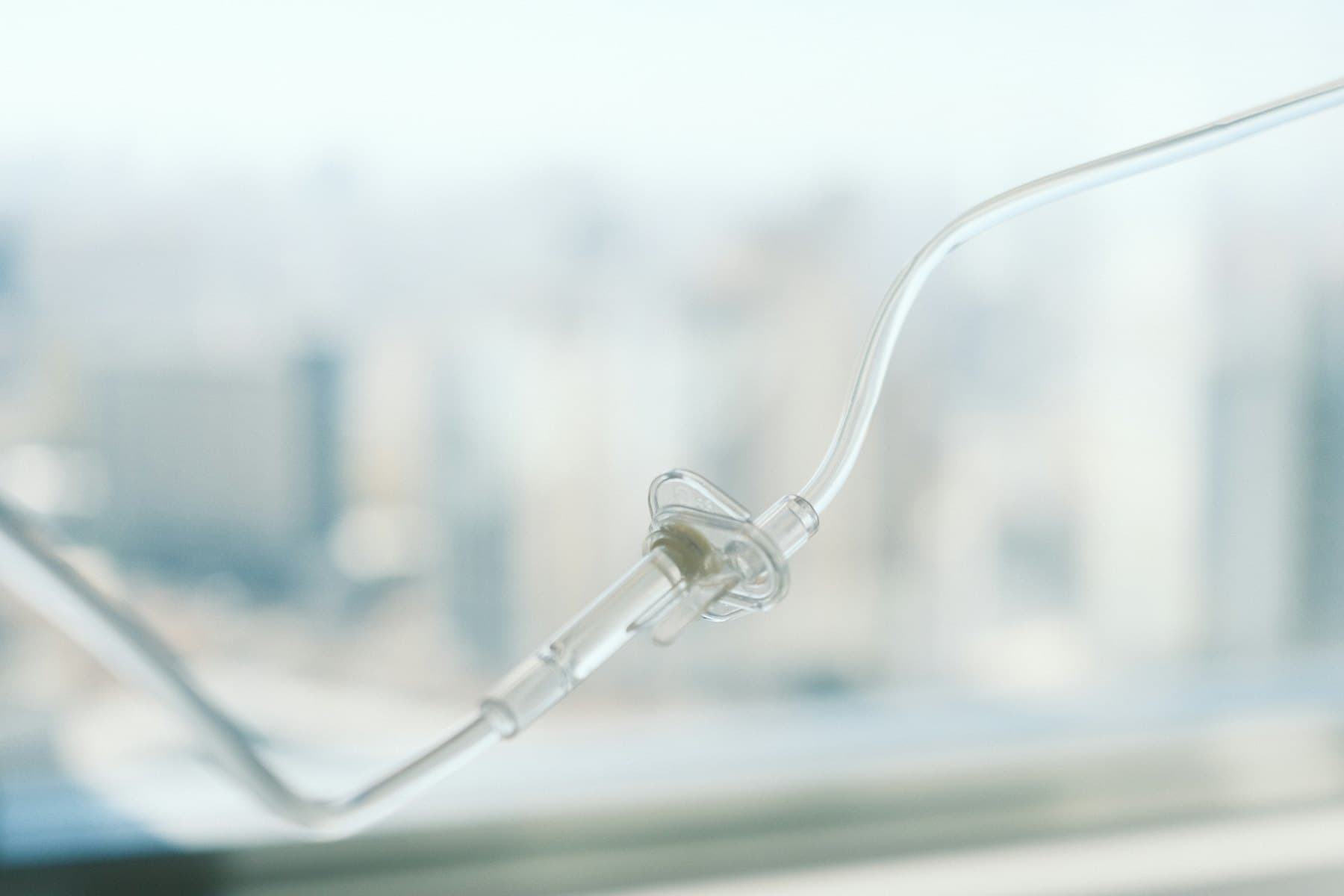 IV magnesium infusionMagnesium given through an IV to relieve migraineLearn more about IV magnesium infusion
Who treats migraine at INPM?

Dr. Amar Anand
Neurologist · Headache, stroke and neuroimaging

Dr. Alexandra Nicholson
Neurologist · Parkinson’s disease and movement disorders

Jessica Beck, PA-C
Physician Assistant · Traumatic brain injury, migraine, seizures and memory loss

Alice Feng, PA-C
Physician Assistant · Traumatic brain injury, migraine, seizures and memory loss
Where can you be seen?
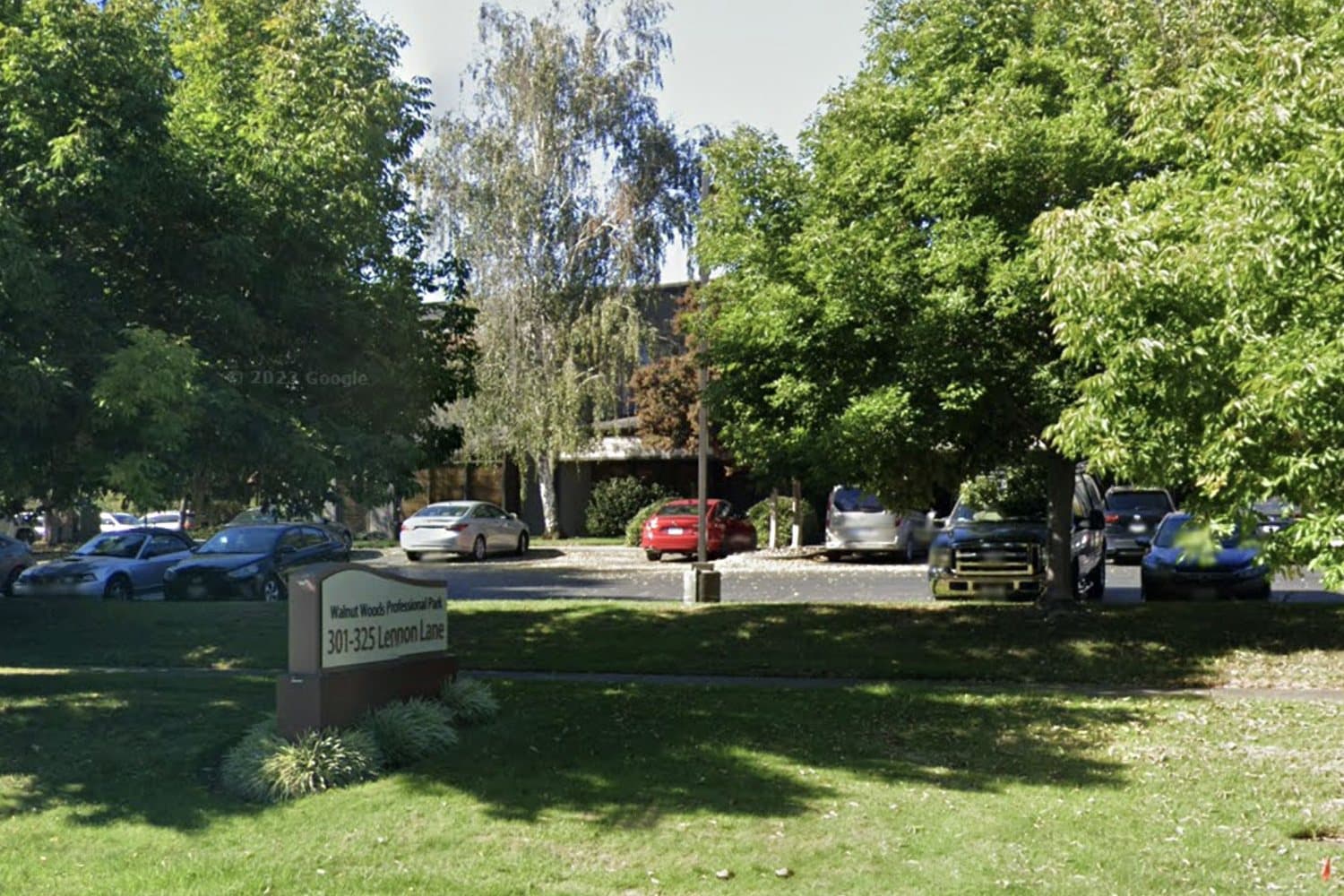 East Bay
INPM Walnut Creek
301 Lennon Lane, Suite 203Walnut Creek, CA 94598
- Wed and Fri
- 8:00 AM – 5:00 PM
- Sat
- 9:00 AM – 3:00 PM
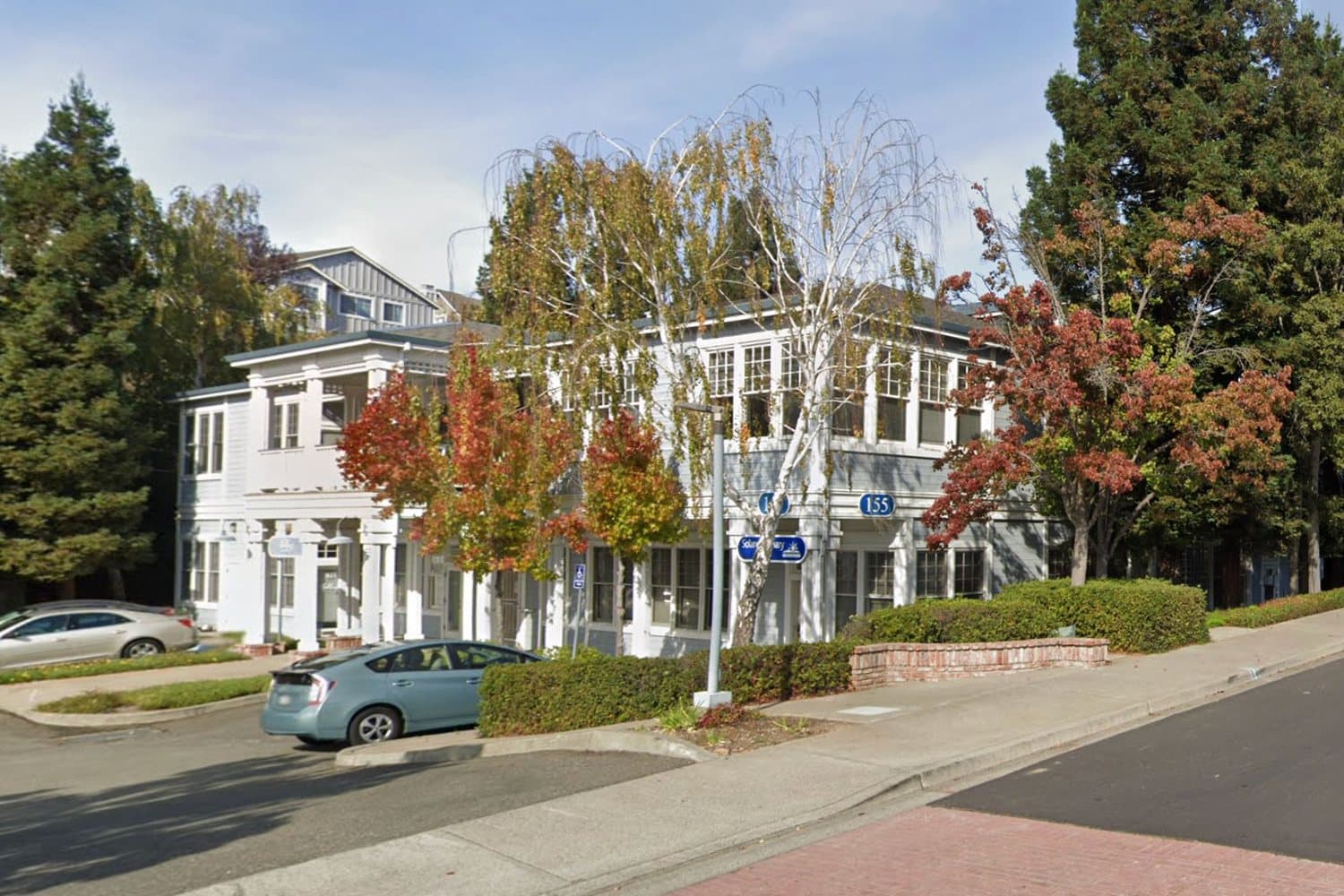 North Bay
INPM Vallejo
155 Glen Cove Marina Rd, Suite 100Vallejo, CA 94591
- Mon, Tue and Thu
- 8:00 AM – 5:00 PM
Questions
Frequently asked questions
01Do I need a referral to see a migraine specialist at INPM?
Yes. Your primary care physician sends a referral to our fax at (707) 980-6692 or through EPIC. After that, you can call (707) 980-6636 to schedule your first visit.
02What can trigger a migraine episode?
Triggers differ from person to person. Common ones include changes in sleep, stress, skipped meals, strong smells, bright or flashing lights, alcohol, hormonal changes and sudden changes in the weather. A headache journal can help you and your neurologist spot your own pattern.
03How long does a migraine episode last?
The headache phase can last from hours to days. Afterward, many people feel tired or have trouble concentrating, and this recovery phase can last up to two days.
Referral required
Start with a referral from your doctor
New patients are seen by referral. Your primary care physician can fax the referral to (707) 980-6692 or send it through EPIC, and our office will call you to schedule.
- Referral fax (707) 980-6692
- EPIC referral
- We call you to schedule