
Diagnostic test
TCD bubble study for a PFO or right-to-left shunt
A TCD bubble study is an ultrasound test that checks for a right-to-left shunt, such as a patent foramen ovale (PFO), which lets blood bypass the lungs’ filter and reach the brain. Saline with a tiny amount of air is injected through an arm IV while a probe on the head listens for bubbles. It takes about 5 minutes.
What is a TCD bubble study?
A transcranial Doppler (TCD) bubble study is a safe ultrasound test that checks for a right-to-left shunt: an abnormal connection that lets blood bypass the lungs and reach the brain unfiltered.
Normally, all blood passes through the lungs before it reaches the body. The lungs act as a filter, catching tiny particles that should not circulate. A shunt bypasses this step and lets particles travel directly to the brain. The most common types are:
Patent foramen ovale (PFO)
A flap-like opening between the heart’s chambers that did not seal after birth.
Pulmonary AVM
A pulmonary arteriovenous malformation: an abnormal connection in the lung’s blood vessels that bypasses the filter even when the heart is structurally normal.
Why might your doctor order a bubble study?
A right-to-left shunt may be linked to:
- Stroke or mini-stroke (TIA, transient ischemic attack)
- Migraine headaches with aura
- Small vessel changes in the brain: tiny areas of reduced blood flow on brain scans, possibly from particles bypassing the lung filter
- Unexplained neurologic symptoms
Many people with a shunt have no symptoms and need no treatment. This test helps your doctor understand your situation.
What should you expect?
Before
No preparation is needed. Wear comfortable clothing and take your regular medicines unless told otherwise.
During
You sit comfortably while a small IV is placed in your arm. The sonographer places an ultrasound probe on the side of your head to monitor blood flow in the brain’s arteries. You may be asked to hold your breath briefly: this increases pressure in the heart and helps detect a shunt.
After
Resume all normal activities immediately. No recovery time is needed.
Is the air safe?
Yes. Only 1 mL of air is used, broken immediately into thousands of microscopic bubbles. In people without a shunt, the lungs naturally filter and dissolve them within seconds. Bubble studies have been performed millions of times worldwide with an excellent safety record.
- Air used, broken into thousands of microscopic bubbles
- 1 mL
- Needed for a dangerous air embolism, about 200 times more
- 200–300 mL
- Complication rate in an international study of 508 patients
- 0%
I already had a heart echo
The most common question we hear, and an important one.
- A standard heart echo misses many shunts. A transthoracic echocardiogram (TTE) misses shunts in over half of patients (about 45% sensitivity).
- TCD finds more than 95%. Major trials found that TCD detects three times more shunts than TTE, and that TTE completely missed two thirds of large shunts.
- TCD sees shunts outside the heart. It detects pulmonary AVMs and other non-cardiac shunts, which are invisible to any heart echo yet are a treatable cause of stroke.
A negative heart echo does not rule out a shunt. The TCD bubble study is a fundamentally different and far more sensitive test.
What does the research show about safety?
Safety: what research shows
Published studies involving thousands of patients have reported zero adverse events from the procedure itself.
- An international multicenter study of 508 patients found a 0% complication rate, even in patients with complex heart abnormalities
- Several other large studies, each with hundreds of patients, consistently found no adverse events
- The ischemic events sometimes cited in bubble study literature occurred during heart echocardiography, not TCD, which has a distinct safety profile
- Minor issues, if any: brief IV discomfort or slight bruising at the injection site
How long does it take, and where is it done?
- How long it takes
- About 5 minutes
- Where
- Walnut Creek and Vallejo
- Insurance
- Coverage depends on your plan. Please check with your insurance company.
 East Bay
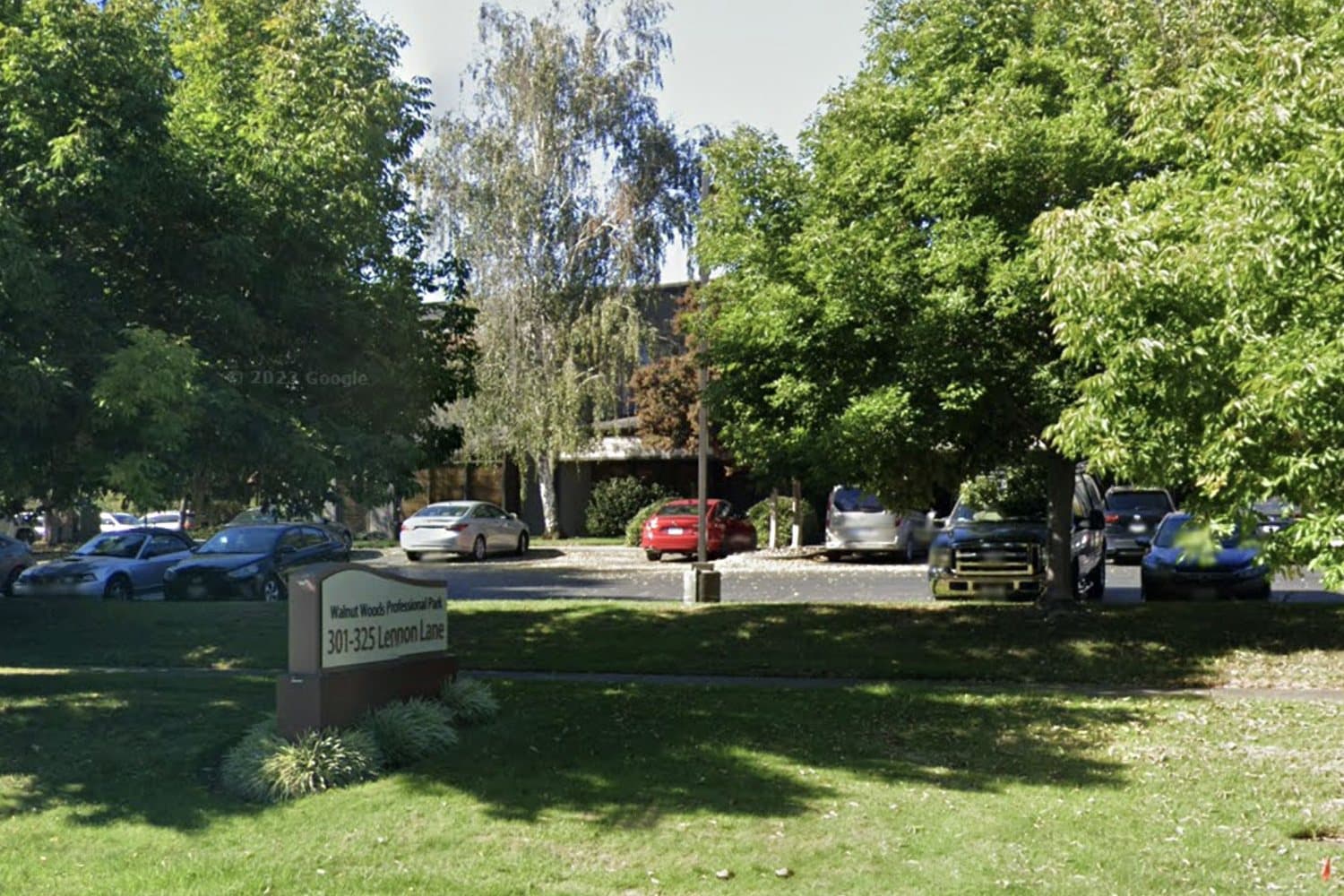
INPM Walnut Creek
301 Lennon Lane, Suite 203Walnut Creek, CA 94598
- Wed and Fri
- 8:00 AM – 5:00 PM
- Sat
- 9:00 AM – 3:00 PM
 North Bay
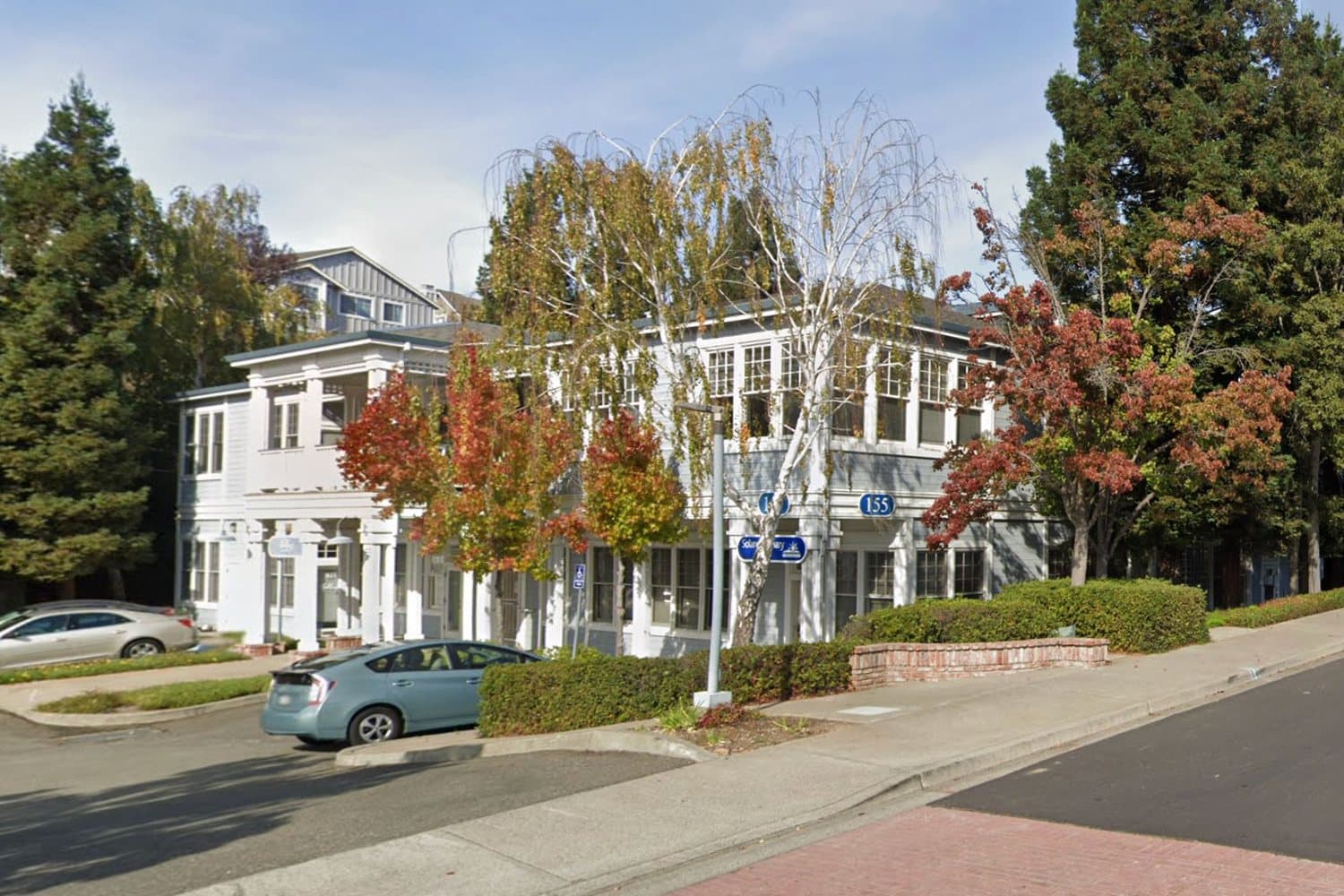
INPM Vallejo
155 Glen Cove Marina Rd, Suite 100Vallejo, CA 94591
- Mon, Tue and Thu
- 8:00 AM – 5:00 PM
Questions
Frequently asked questions
01I already had a heart echo. Why do I need a bubble study?
A standard heart echo (transthoracic echocardiogram) misses shunts in over half of patients, while a TCD bubble study detects more than 95%. TCD also finds shunts outside the heart, such as pulmonary AVMs, which no heart echo can see. A negative heart echo does not rule out a shunt.
02Is the air in a bubble study safe?
Yes. Only 1 mL of air is used, and it is broken immediately into thousands of microscopic bubbles that the lungs filter and dissolve within seconds. A dangerous air embolism requires 200 to 300 mL or more, about 200 times the amount used.
03Is a bubble study painful?
The only needle is the small IV in your arm, which may cause brief discomfort or slight bruising. The ultrasound itself is painless and uses no radiation.
04What is a patent foramen ovale?
A patent foramen ovale (PFO) is a flap-like opening between the heart’s upper chambers that did not seal after birth. Up to 1 in 4 adults have one, and most never have problems from it.
Referral required
Start with a referral from your doctor
New patients are seen by referral. Your primary care physician can fax the referral to (707) 980-6692 or send it through EPIC, and our office will call you to schedule.
- Referral fax (707) 980-6692
- EPIC referral
- We call you to schedule