

Condition
Stroke neurologists in the Bay Area
A stroke happens when blood flow to part of the brain is blocked or a blood vessel bursts. If you notice sudden balance loss, vision changes, face drooping, arm weakness or trouble speaking, call 911 immediately. After a stroke or TIA, INPM neurologists help find the cause with in-office Doppler and bubble study testing and work to prevent another one.
What are the warning signs of a stroke?
Use B.E. F.A.S.T. to remember the signs:
- B — Balance: sudden loss of balance, dizziness or trouble walking
- E — Eyes: sudden trouble seeing
- F — Face: one side of the face droops
- A — Arms: sudden weakness or numbness in an arm or leg, especially on one side
- S — Speech: sudden confusion, slurred speech or trouble understanding
- T — Time: call 911 right away
A sudden severe headache with no known cause can also be a sign of stroke.
When should you see a doctor?
A stroke is an emergency: call 911. See a neurologist after a stroke or a transient ischemic attack (TIA) to find the cause and lower the risk of another one.
How is the cause of a stroke investigated at INPM?
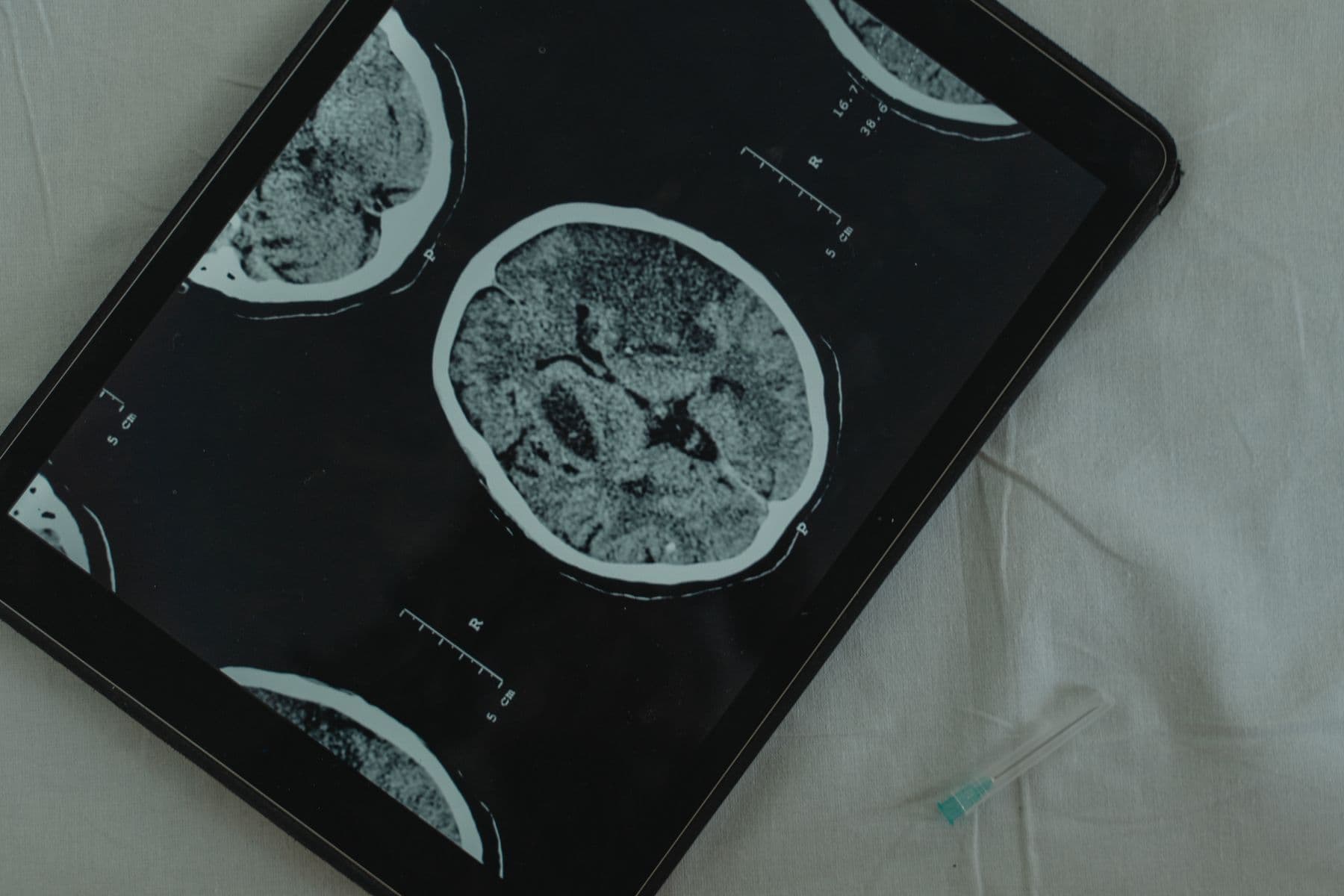
Your neurologist reviews your hospital records and imaging and examines you. In-office ultrasound tests check the arteries to the brain and look for a patent foramen ovale (PFO), which is found in as many as 1 in 2 people under 60 with an unexplained stroke.
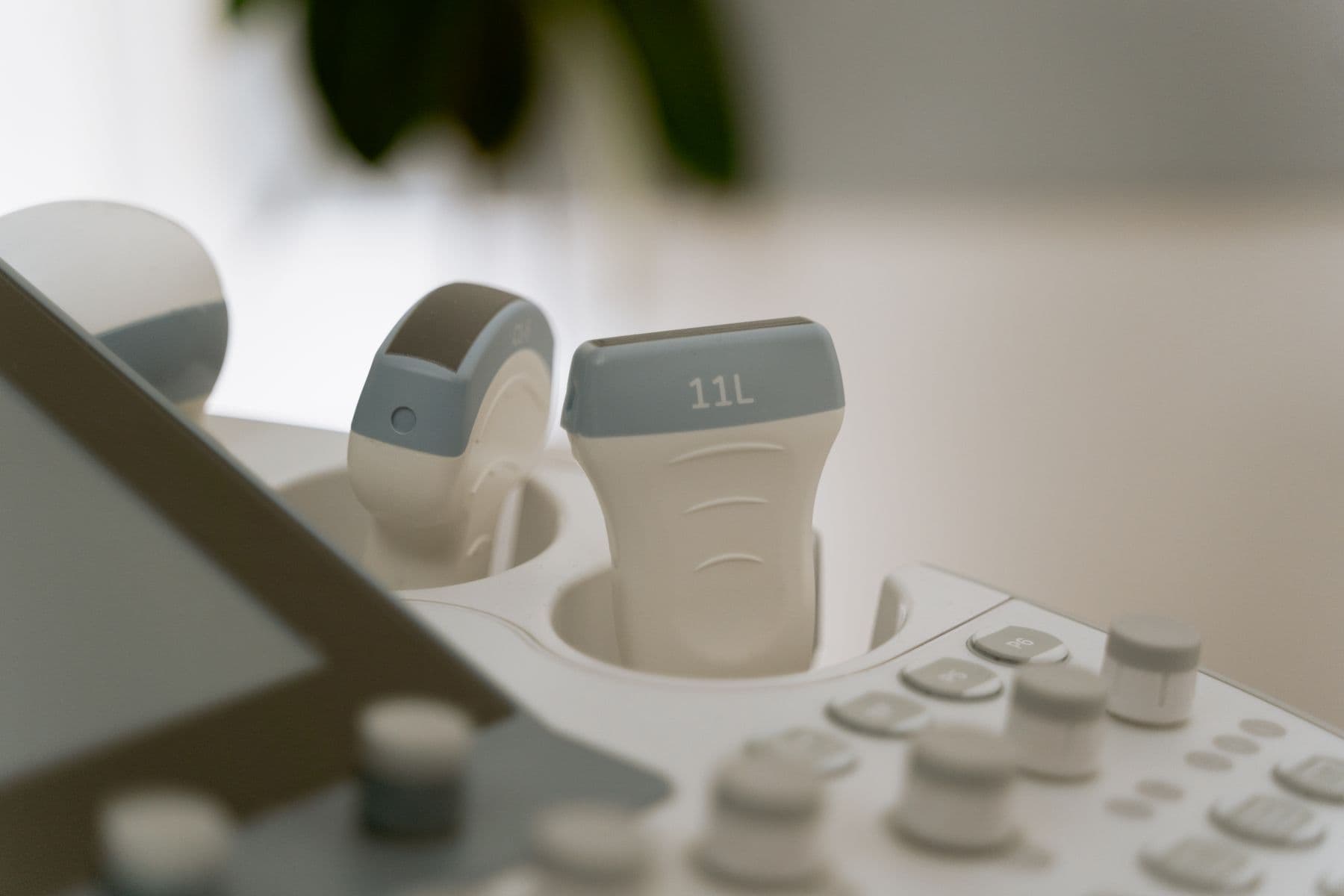 Carotid / transcranial DopplerBlood flow to the brainLearn more about Carotid / transcranial Doppler
 TCD bubble studyStroke evaluationLearn more about TCD bubble study
What treatment options are available?
Stroke prevention depends on the cause and can include medicines, control of blood pressure, cholesterol and diabetes, and lifestyle changes. When a PFO is found, some people also need a procedure to close it. Stroke follow-up at INPM includes medical management, physiologic vascular monitoring, autonomic blood pressure monitoring and a hypercoagulable evaluation, which looks for conditions that make the blood clot too easily. GeneSight® genetic testing may provide additional information to help guide medication selection and dosing when applicable.
Who treats stroke at INPM?
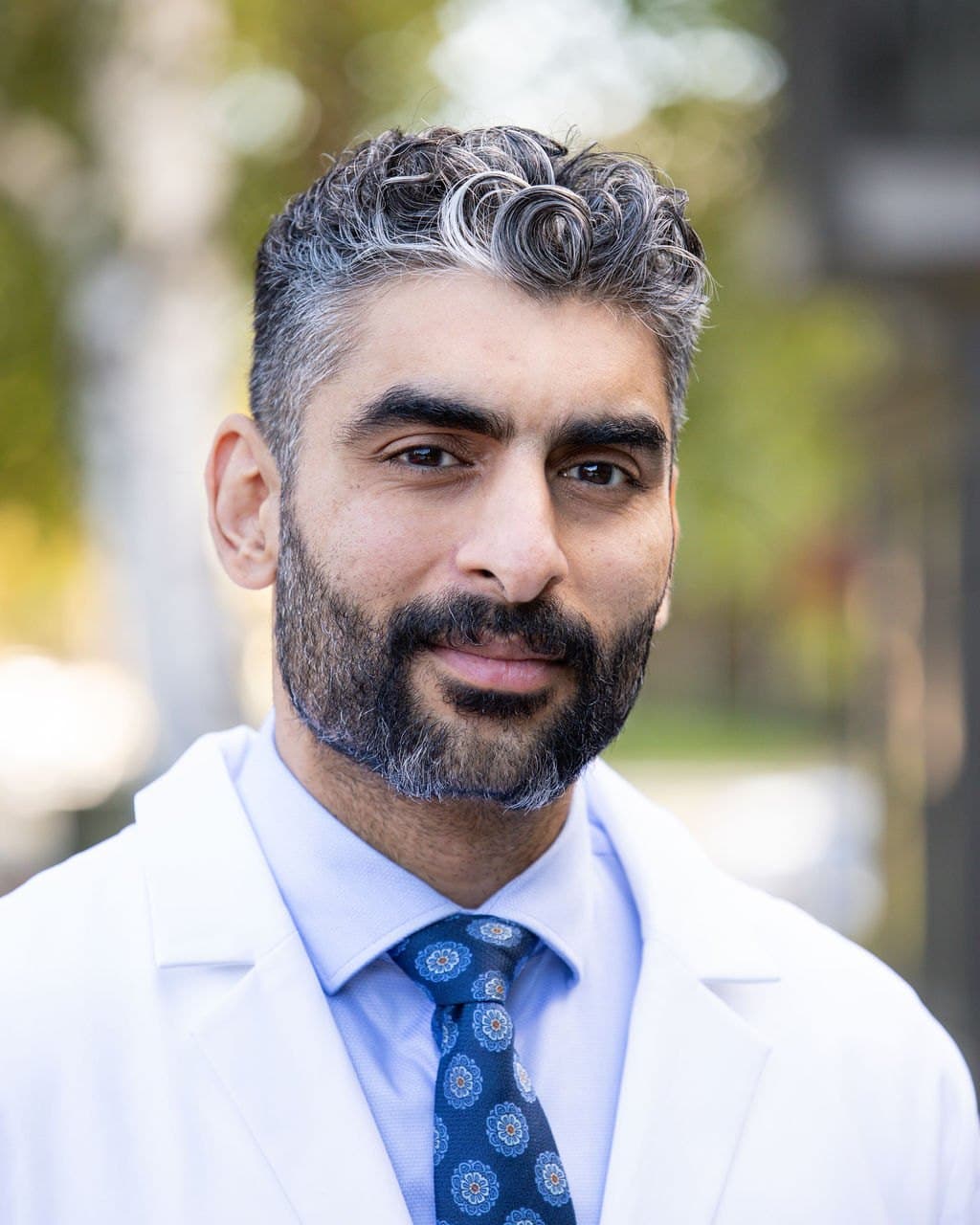
Dr. Amar Anand
Neurologist · Headache, stroke and neuroimaging
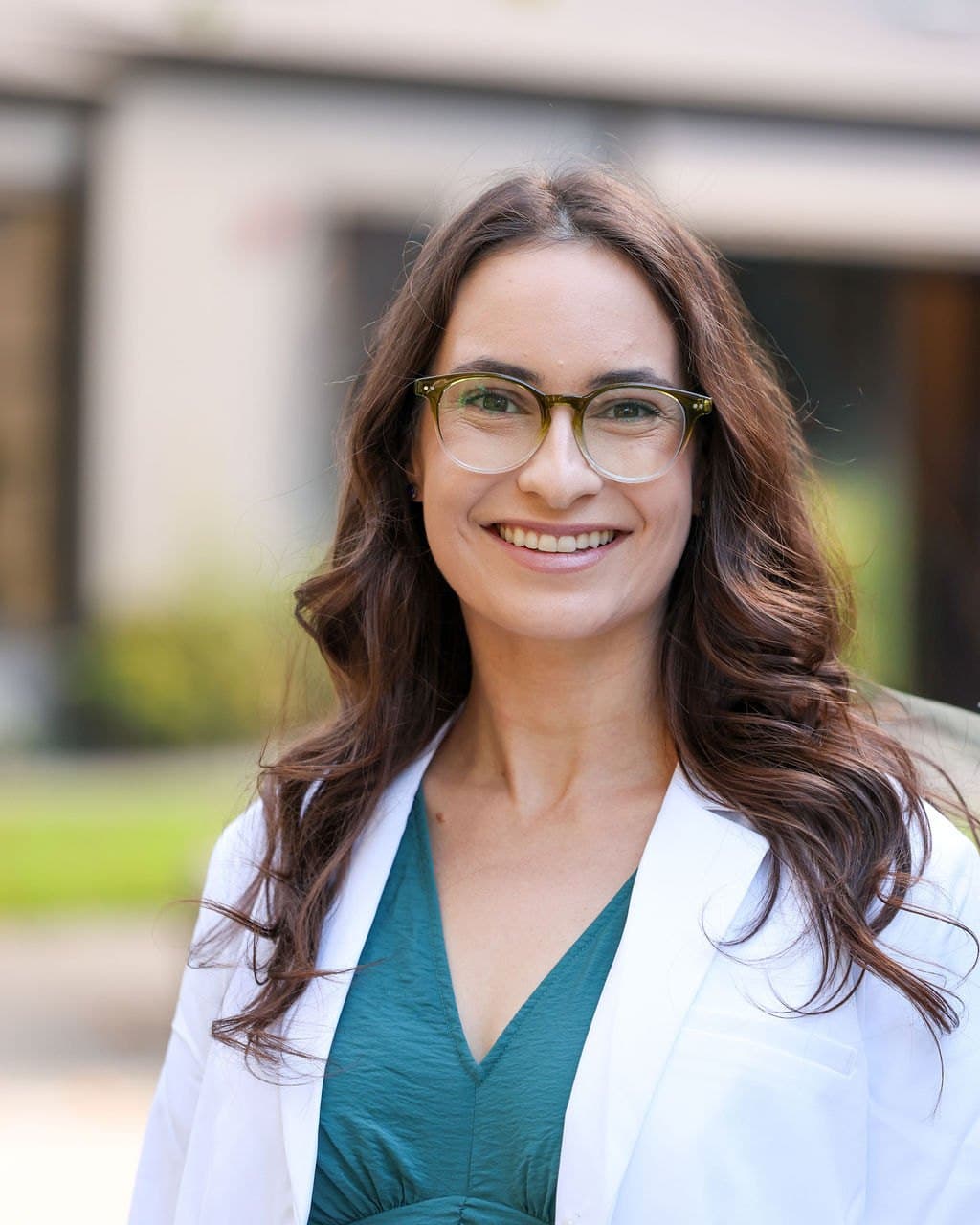
Dr. Alexandra Nicholson
Neurologist · Parkinson’s disease and movement disorders
Where can you be seen?
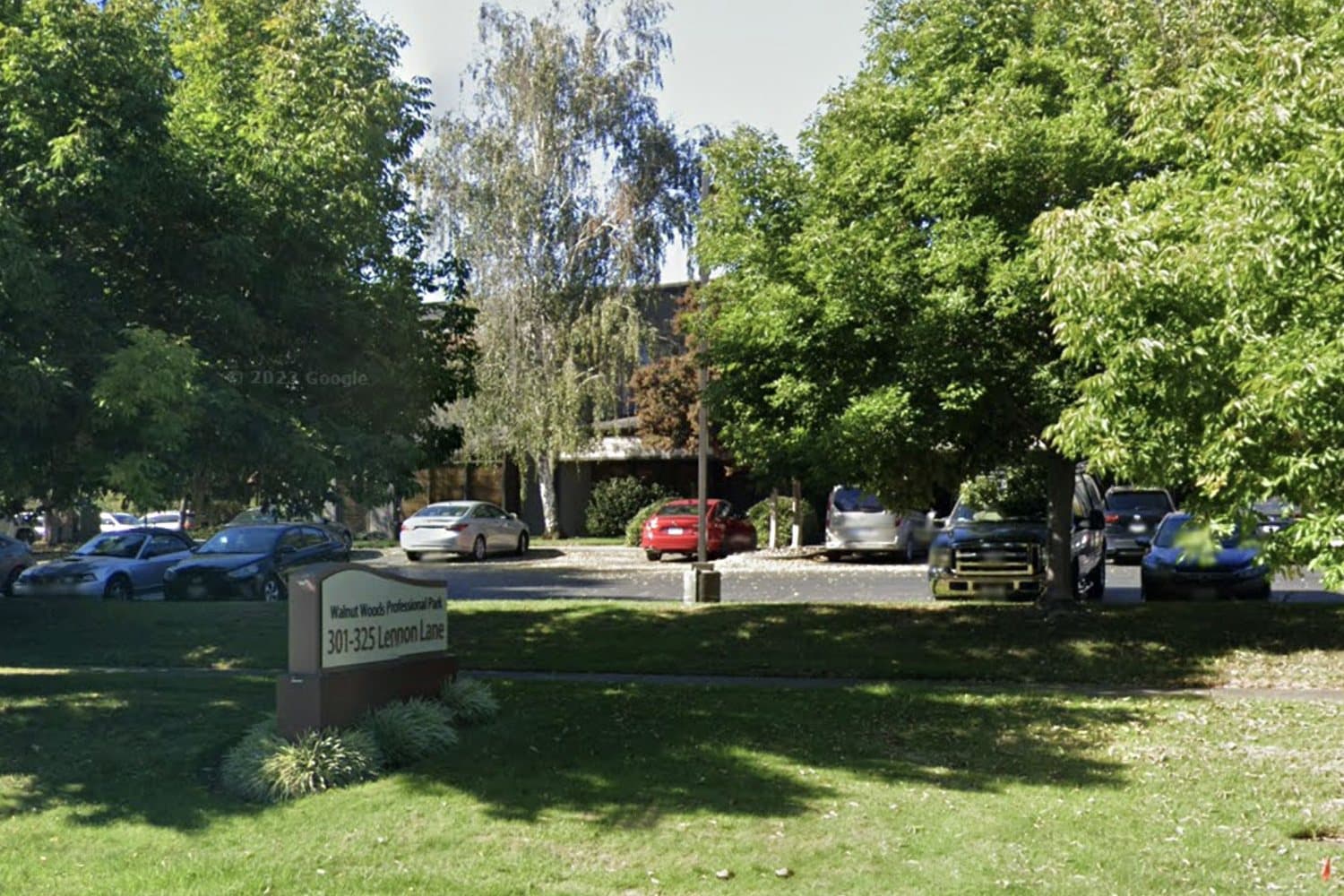 East Bay
INPM Walnut Creek
301 Lennon Lane, Suite 203Walnut Creek, CA 94598
- Wed and Fri
- 8:00 AM – 5:00 PM
- Sat
- 9:00 AM – 3:00 PM
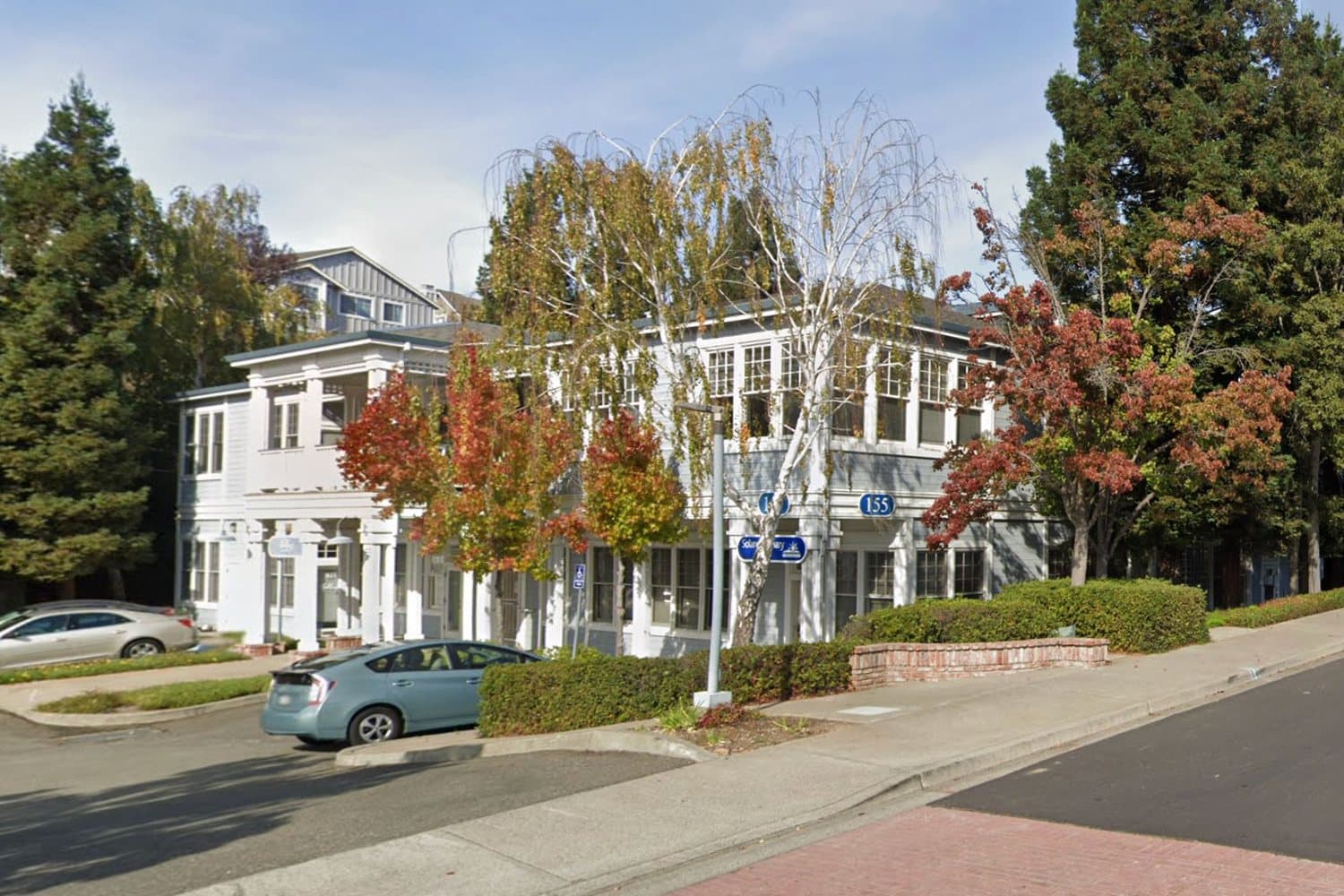 North Bay
INPM Vallejo
155 Glen Cove Marina Rd, Suite 100Vallejo, CA 94591
- Mon, Tue and Thu
- 8:00 AM – 5:00 PM
Questions
Frequently asked questions
01What should I do if I think someone is having a stroke?
Call 911 right away and note the time the symptoms started. Do not drive to the hospital or let someone drive you; an ambulance lets medical staff start treatment sooner.
02What is a TIA?
A transient ischemic attack (TIA) causes stroke-like symptoms that go away on their own. It is a sign of a serious condition that needs prompt medical attention, so tell a health care team about the symptoms right away.
Referral required
Start with a referral from your doctor
New patients are seen by referral. Your primary care physician can fax the referral to (707) 980-6692 or send it through EPIC, and our office will call you to schedule.
- Referral fax (707) 980-6692
- EPIC referral
- We call you to schedule