

Diagnostic test
VNG test (videonystagmography) and posturography
A VNG test (videonystagmography) uses infrared video goggles to record your eye movements while you follow lights, change position and receive cool and warm water or air in each ear. With posturography, a balance test on a sensor platform, it shows whether dizziness comes from the inner ear or the brain. At INPM it takes about 45 minutes.
What is a VNG test and what is it for?
A VNG test checks your vestibular system, the inner ear and brain pathways that keep you balanced and tell you where your body is in space. At INPM it is a comprehensive balance evaluation with two parts that work together:
Videonystagmography (VNG)
Small video goggles record your eye movements while we test how your inner ear, eyes and brain coordinate. Involuntary eye movements, called nystagmus, can point to a problem in the inner ear or in the brain.
Posturography
A sensor platform measures how well you keep your balance, recording your body’s response to changes in vision, surface and motion.
Why might your doctor order a VNG?
- Dizziness or vertigo (a true spinning sensation)
- Imbalance or unsteadiness when walking
- Falls or near-falls
- Brief vertigo with head position changes (suspected BPPV)
- A persistent rocking or swaying sensation, especially after travel
- Hearing loss, tinnitus or ear fullness, especially with dizziness, or when the hearing loss is sudden, fluctuating or one-sided
- Migraine-associated vertigo
- Persistent symptoms after a concussion or head injury
- Dizziness after whiplash or a neck injury (cervicogenic dizziness)
- Multiple sclerosis or another neurological condition with balance symptoms
- Recovery after a stroke or brain injury, to track the inner ear’s part in ongoing imbalance
- Nystagmus or other eye-movement findings noted on examination
- Telling inner-ear causes of dizziness from central (brain) causes
What should you expect?
Before
- Avoid alcohol and caffeine for 48 hours before.
- Stop dizziness medicines (meclizine, dimenhydrinate) 48 hours before, only if your doctor approves. Do not stop on your own, and continue all other medicines as usual.
- No eye makeup, mascara or contact lenses on the day of testing.
- Wear comfortable clothing and flat shoes, and eat a light meal beforehand.
During
You wear small infrared video goggles that record your eye movements while you follow lights and lie in different positions. Cool and warm water or air is then gently placed in each ear canal. This briefly makes you feel dizzy, which is what lets us measure each inner ear separately. Finally, you stand on a sensor platform, wearing a safety harness, while we test your balance.
After
Some patients feel briefly off-balance or queasy for 10 to 30 minutes. Plan to have someone drive you home if you are prone to motion sickness.
What can the test show?
Inner ear and eye movements (VNG)
- Whether each inner ear is working properly, tested separately
- Positional vertigo (BPPV)
- Eye-movement patterns that suggest central (brain) involvement
Balance system (posturography)
- Which senses you rely on most: vision, the inner ear or body sensation
- Your balance strategies and fall risk
- Where vestibular rehabilitation should focus
The results can help evaluate conditions such as benign paroxysmal positional vertigo (BPPV), labyrinthitis, Ménière’s disease and vestibular neuritis. They guide treatment decisions, which may include referral to vestibular rehabilitation, more imaging or a specialist consultation.
Is a VNG test safe?
Among the safest tests in medicine
Yes. A VNG test uses:
- No radiation
- No contrast or injected dye
- No needles
- No medicines given through an IV
- Safe in pregnancy and in children
- The brief dizziness during the water test resolves on its own
If you have had a hearing test, or an eye exam where you followed a moving light, you have already experienced parts of this test.
How long does it take, and where is it done?
- How long it takes
- About 45 minutes
- Where
- Walnut Creek and Vallejo
- Insurance
- Coverage depends on your plan. Please check with your insurance company.
 East Bay
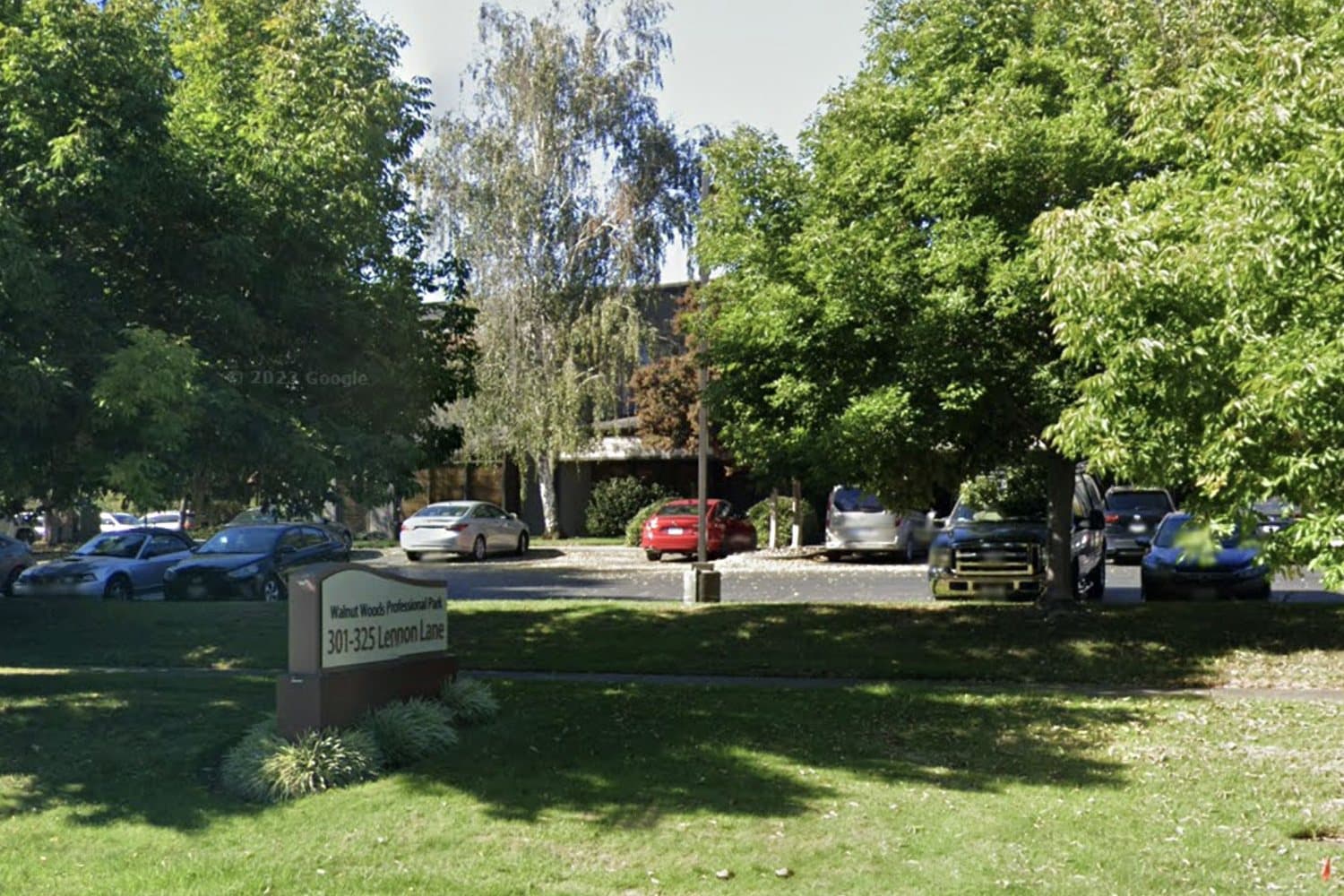
INPM Walnut Creek
301 Lennon Lane, Suite 203Walnut Creek, CA 94598
- Wed and Fri
- 8:00 AM – 5:00 PM
- Sat
- 9:00 AM – 3:00 PM
 North Bay
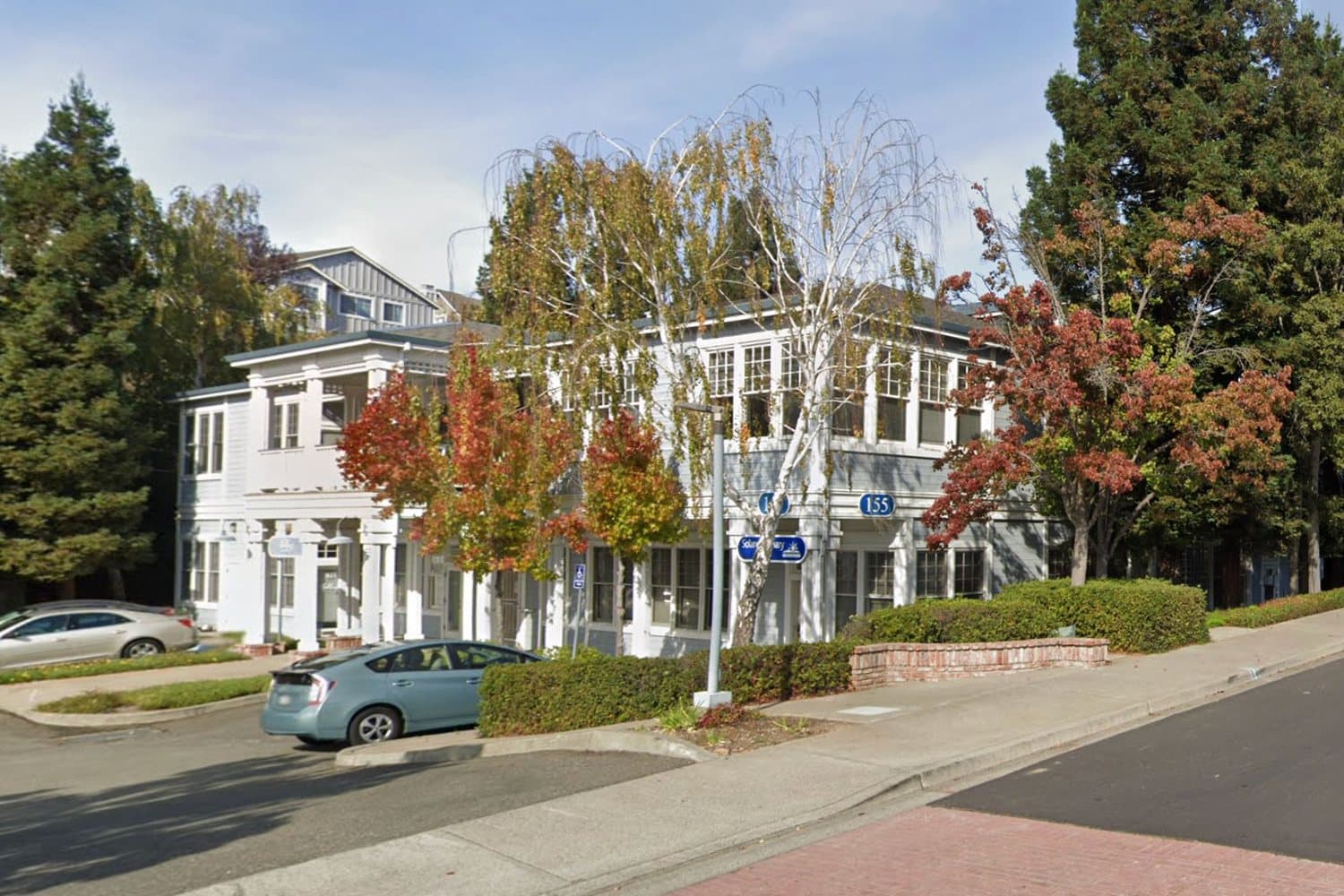
INPM Vallejo
155 Glen Cove Marina Rd, Suite 100Vallejo, CA 94591
- Mon, Tue and Thu
- 8:00 AM – 5:00 PM
Questions
Frequently asked questions
01Is a VNG test painful?
No. A VNG test does not involve needles, radiation or injected dye. The water or air part of the test briefly makes you feel dizzy, which is expected because it stimulates the balance system, and the feeling resolves on its own.
02How should I prepare for a VNG test?
Avoid alcohol and caffeine for 48 hours before the test, and do not wear eye makeup, mascara or contact lenses on the day of testing. Wear comfortable clothing and flat shoes, and eat a light meal beforehand.
03Do I need to stop my dizziness medicine before a VNG?
Dizziness medicines such as meclizine or dimenhydrinate are stopped 48 hours before the test, but only if your doctor approves. Do not stop any medicine on your own, and continue all other medicines as usual.
04Can I drive myself home after a VNG test?
Some patients feel briefly off-balance or queasy for 10 to 30 minutes after the test. If you are prone to motion sickness, plan to have someone drive you home.
Referral required
Start with a referral from your doctor
New patients are seen by referral. Your primary care physician can fax the referral to (707) 980-6692 or send it through EPIC, and our office will call you to schedule.
- Referral fax (707) 980-6692
- EPIC referral
- We call you to schedule