

Condition
Memory loss and dementia evaluation
Dementia is a loss of memory, thinking and reasoning that is severe enough to interfere with daily life. Alzheimer’s disease is its most common cause in older adults. Not all memory problems are dementia, so a neurological evaluation matters: at INPM, it includes a history, an exam and in-office computer-based cognitive testing.
What are the signs of dementia?
- Memory loss, poor judgment and confusion
- Trouble speaking, understanding or expressing thoughts, or reading and writing
- Getting lost in a familiar neighborhood
- Trouble handling money and paying bills
- Repeating questions, or taking longer to finish normal daily tasks
- Losing interest in usual activities
- Changes in behavior, such as acting impulsively, or seeing or believing things that are not real
Types of dementia include Alzheimer’s disease, Lewy body dementia, vascular dementia and frontotemporal dementia.
When should you see a doctor?
See a clinician if memory or thinking problems are new, getting worse or affecting daily life, or if family members are worried about changes they have noticed.
How is memory loss evaluated at INPM?
Your clinician takes a detailed medical history, often with input from a family member, does a physical and neurological exam, and may order laboratory tests to look for treatable causes. Objective cognitive testing measures memory, reasoning, attention and verbal ability:
 Cognitive testing (Creyos)Memory and thinkingLearn more about Cognitive testing (Creyos)
 Carotid / transcranial DopplerBlood flow to the brainLearn more about Carotid / transcranial Doppler
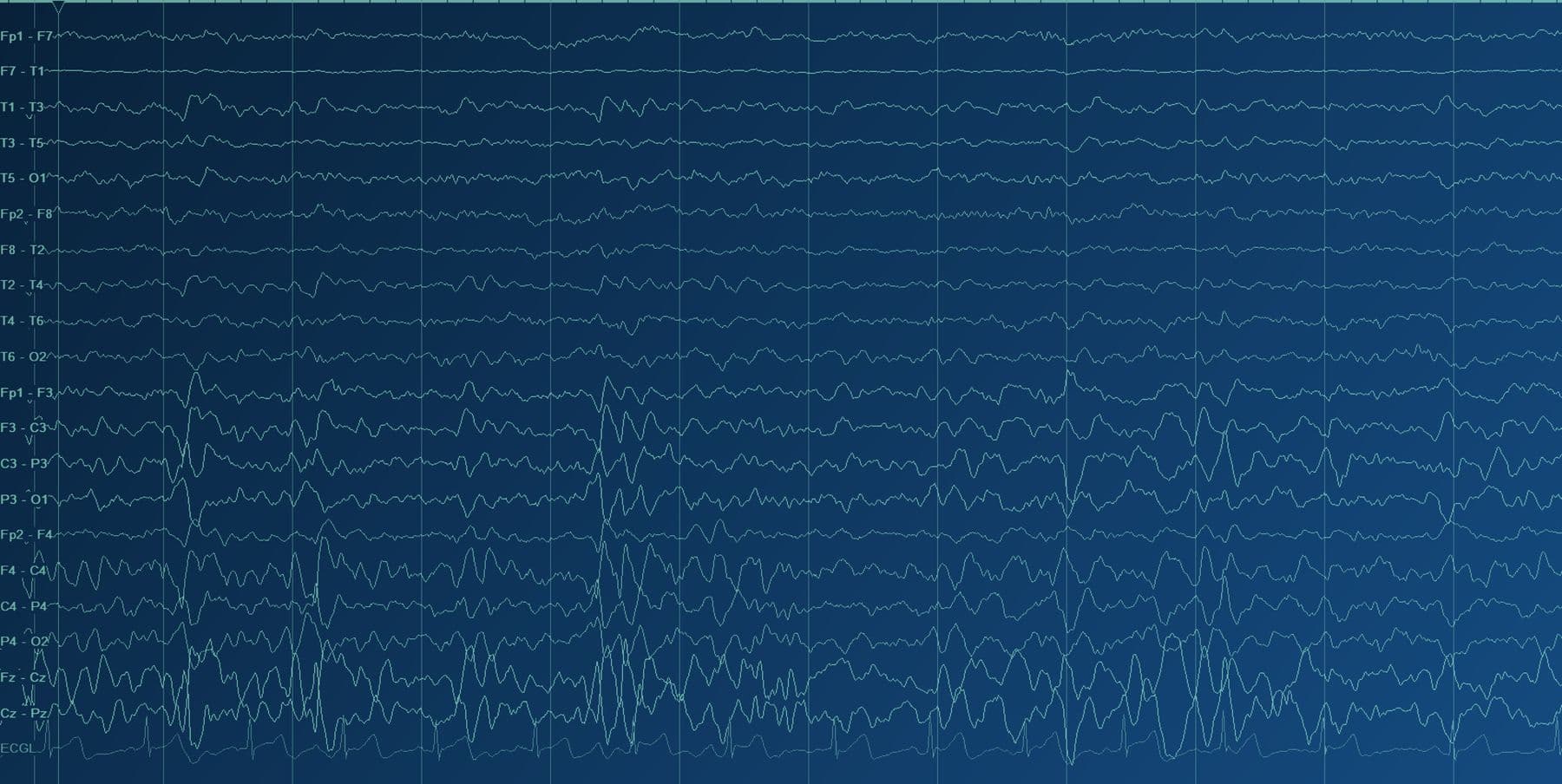 EEG: Argarrett, CC BY-SA 4.0 (recolored)EEGSeizures and epilepsyLearn more about EEG
What treatment options are available?
Treatment depends on the cause. Some causes of memory problems are treatable, and for dementia, medicines and support can help manage symptoms and plan ahead. At INPM, care for memory loss and dementia can include medical management, biomodulation, tailored supplements and infusion therapies.
Who evaluates memory loss at INPM?

Dr. Amar Anand
Neurologist · Headache, stroke and neuroimaging

Dr. Alexandra Nicholson
Neurologist · Parkinson’s disease and movement disorders

Jessica Beck, PA-C
Physician Assistant · Traumatic brain injury, migraine, seizures and memory loss

Alice Feng, PA-C
Physician Assistant · Traumatic brain injury, migraine, seizures and memory loss
Where can you be seen?
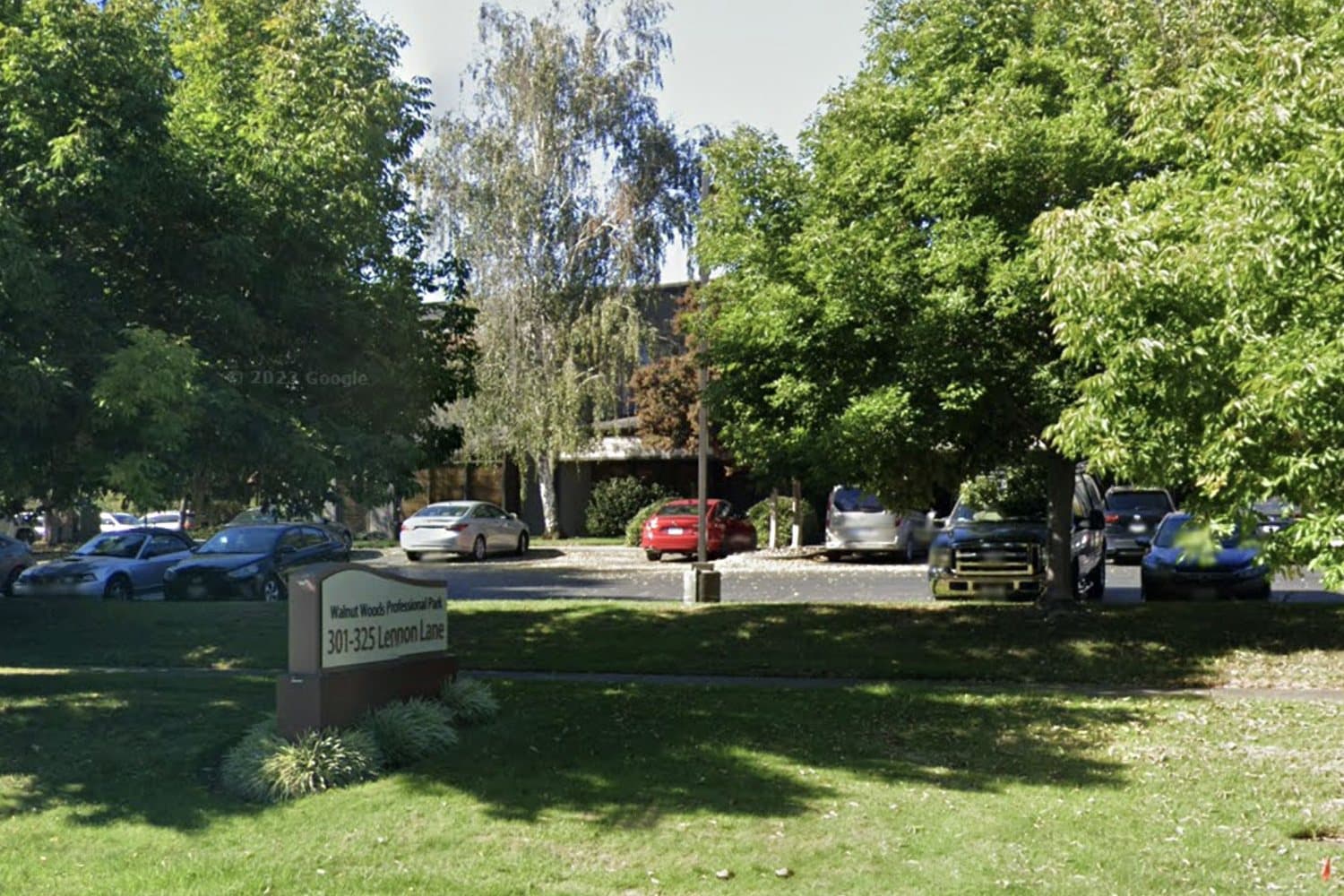 East Bay
INPM Walnut Creek
301 Lennon Lane, Suite 203Walnut Creek, CA 94598
- Wed and Fri
- 8:00 AM – 5:00 PM
- Sat
- 9:00 AM – 3:00 PM
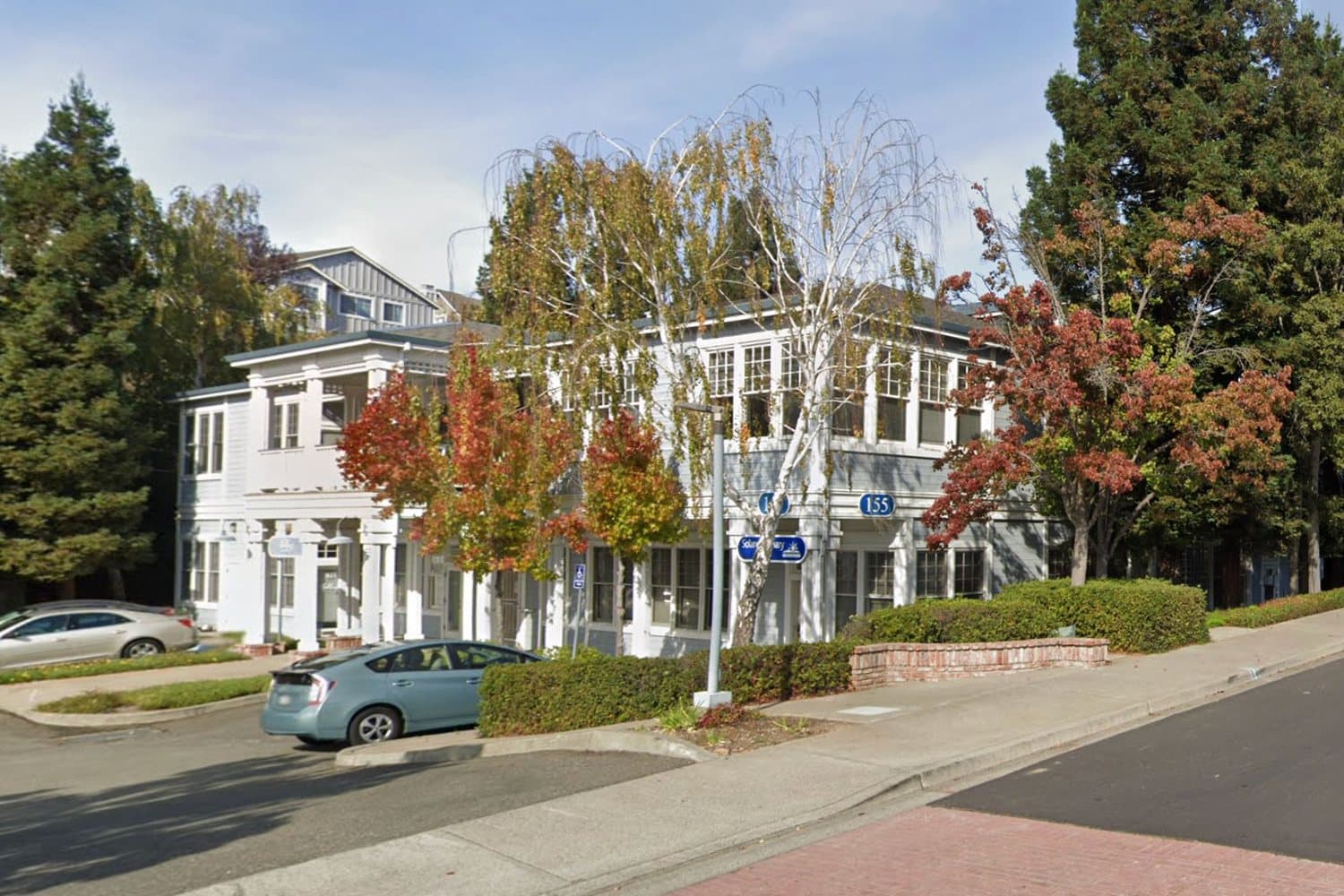 North Bay
INPM Vallejo
155 Glen Cove Marina Rd, Suite 100Vallejo, CA 94591
- Mon, Tue and Thu
- 8:00 AM – 5:00 PM
Questions
Frequently asked questions
01Is forgetfulness a sign of dementia?
Not always. Some forgetfulness can happen with age, and other conditions can affect memory. Dementia means the changes are serious enough to interfere with daily life, which is why an evaluation helps sort out the cause.
02Should a family member come to the visit?
It often helps. A family member or friend can describe changes they have noticed and help remember the clinician’s recommendations.
Referral required
Start with a referral from your doctor
New patients are seen by referral. Your primary care physician can fax the referral to (707) 980-6692 or send it through EPIC, and our office will call you to schedule.
- Referral fax (707) 980-6692
- EPIC referral
- We call you to schedule