


Condition
Fainting (syncope) and POTS
Syncope is a brief loss of consciousness, or fainting, caused by a temporary drop in blood flow to the brain. Postural orthostatic tachycardia syndrome (POTS) is a condition in which the heart races and you feel lightheaded when you stand up. At INPM, Dr. Anand’s team evaluates fainting, POTS and other autonomic disorders with in-office autonomic testing.
What are syncope and POTS?
Syncope is the medical word for fainting: a brief loss of consciousness caused by a temporary drop in blood flow to the brain. Near-fainting (pre-syncope) is the lightheaded, about-to-pass-out feeling without losing consciousness.
Many of these episodes involve the autonomic nervous system, which controls heart rate, blood pressure, sweating and circulation without you thinking about it. When it does not work properly, the condition is called dysautonomia. Two common forms are:
POTS
Postural orthostatic tachycardia syndrome: the heart races when you stand up, often with lightheadedness, fatigue and brain fog.
Orthostatic hypotension
Blood pressure that drops when you stand up, which can cause dizziness or fainting.
What are the symptoms?
- Fainting or near-fainting episodes
- Lightheadedness or dizziness when you stand up
- A racing heart when you stand
- Abnormal sweating: too much, too little or in the wrong places
- Fatigue or exercise intolerance
- Trouble concentrating
What can cause them?
Fainting and autonomic problems have many causes. Some that a neurologist evaluates are autonomic and small fiber neuropathy, diabetic autonomic neuropathy, long COVID and lasting symptoms after a concussion or head injury. Heart rhythm problems can also cause fainting.
How are they evaluated at INPM?
Your clinician reviews your episodes, medicines and health history and does an exam. In-office testing measures how your autonomic nervous system responds, looks at blood flow to the brain and helps tell fainting from seizures:
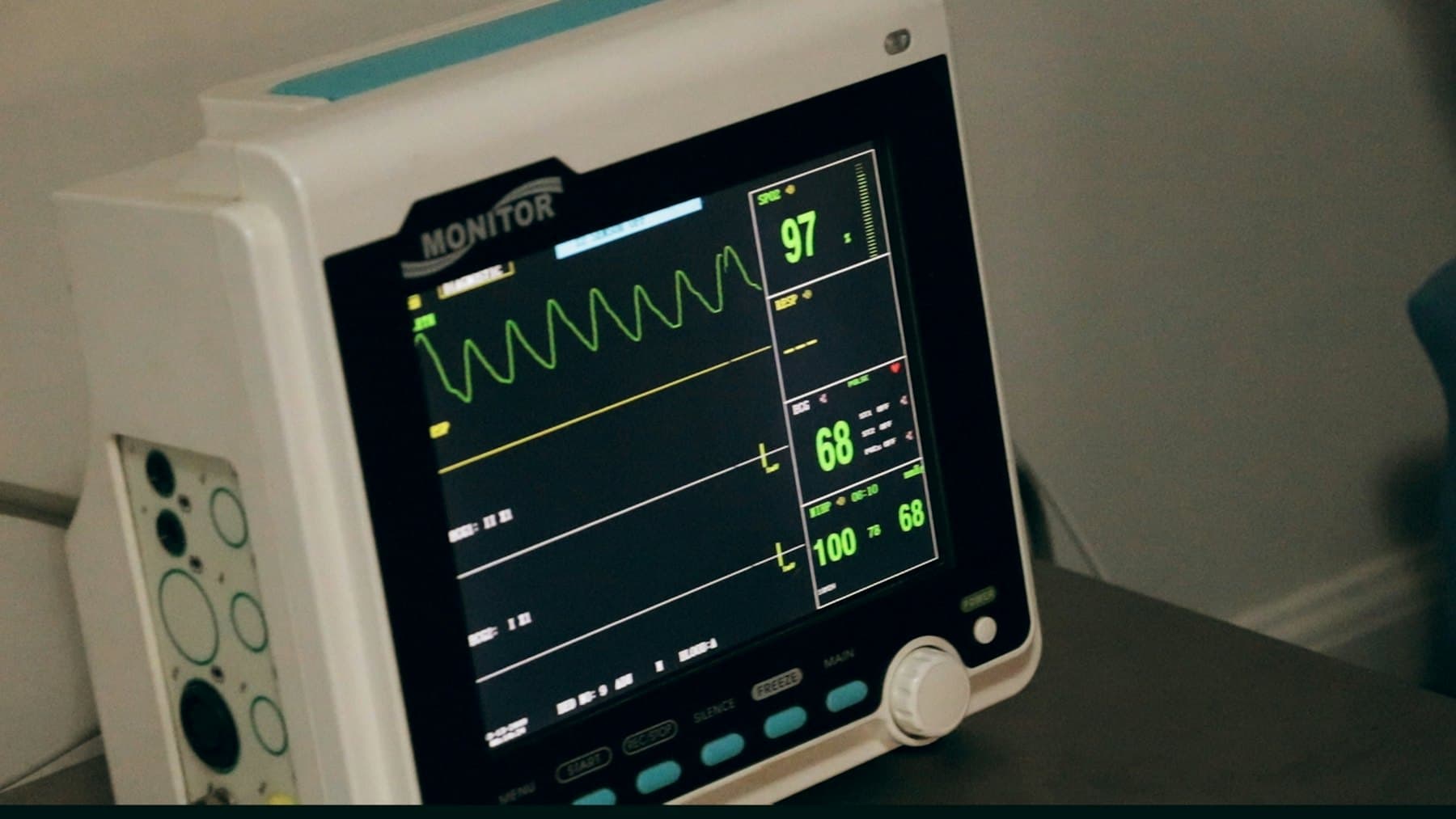 Autonomic testingFainting and dizzinessLearn more about Autonomic testing
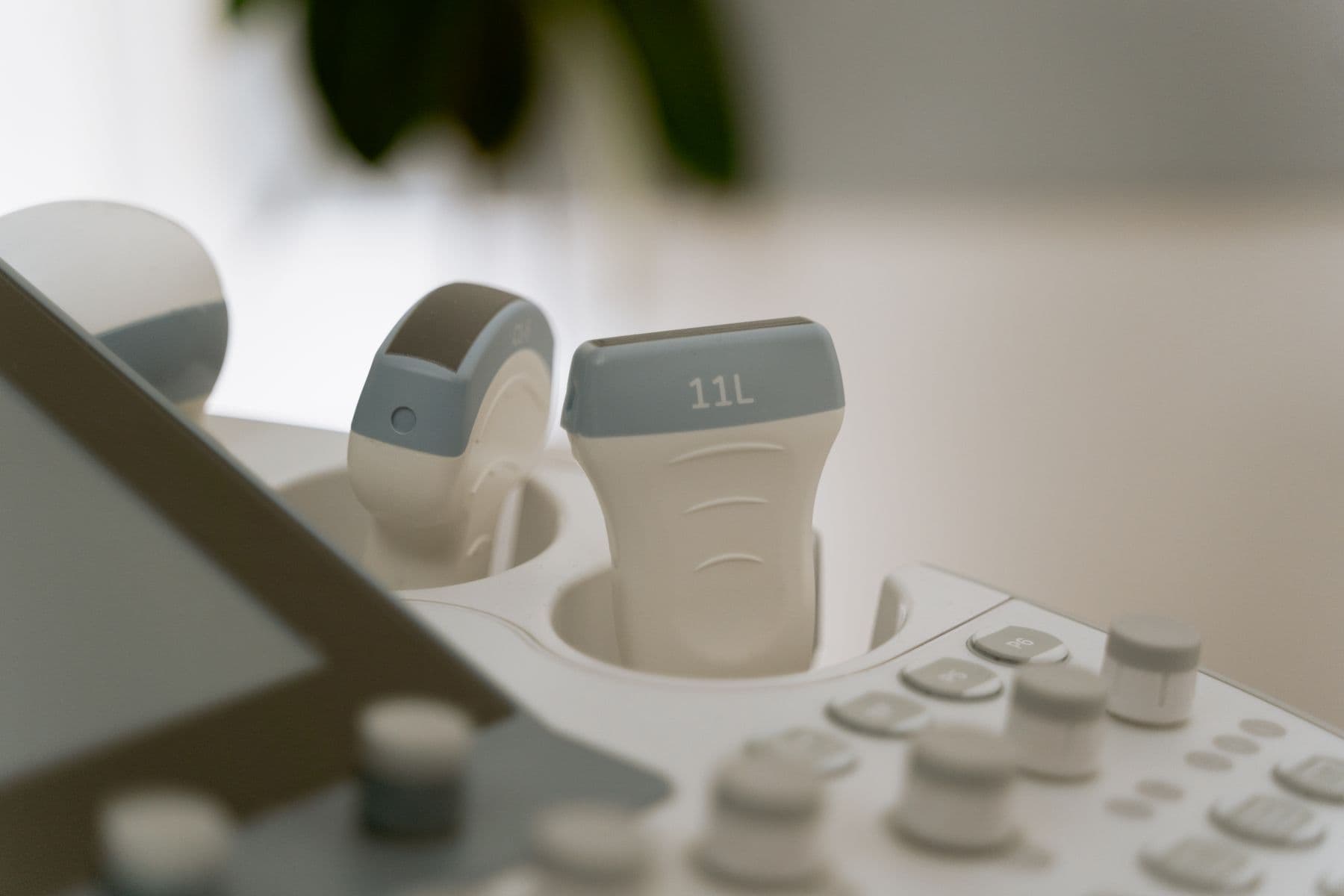 Carotid / transcranial DopplerBlood flow to the brainLearn more about Carotid / transcranial Doppler
 Skin biopsySmall fiber neuropathyLearn more about Skin biopsy
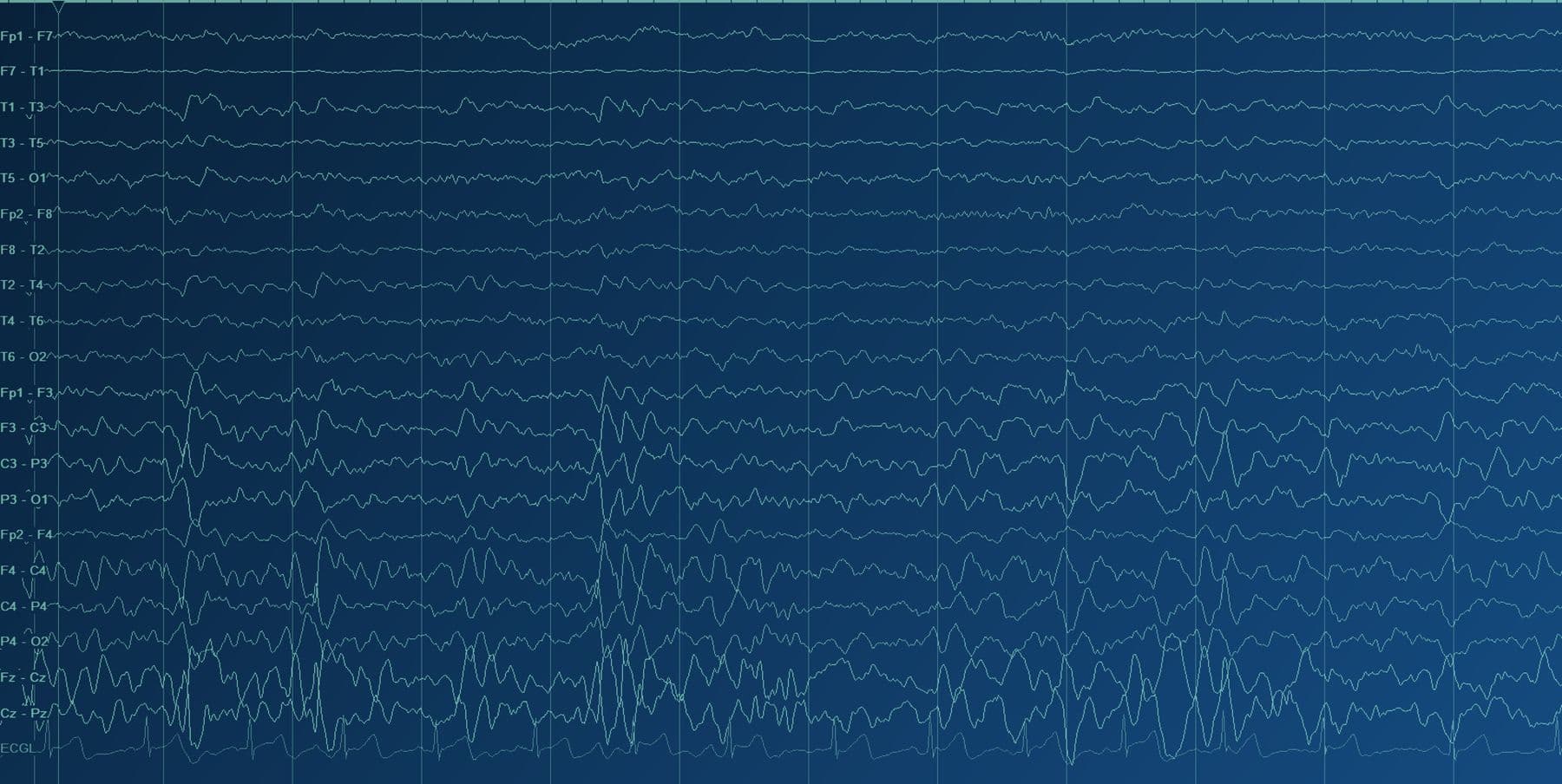 EEG: Argarrett, CC BY-SA 4.0 (recolored)EEGSeizures and epilepsyLearn more about EEG
What treatment options are available?
Treatment depends on the cause. For POTS and orthostatic problems, it often includes changes in fluids, salt and activity, compression garments and medicines, as your clinician recommends.
Who evaluates fainting and POTS at INPM?

Dr. Amar Anand
Neurologist · Headache, stroke and neuroimaging

Jessica Beck, PA-C
Physician Assistant · Traumatic brain injury, migraine, seizures and memory loss

Alice Feng, PA-C
Physician Assistant · Traumatic brain injury, migraine, seizures and memory loss
Where can you be seen?
 East Bay
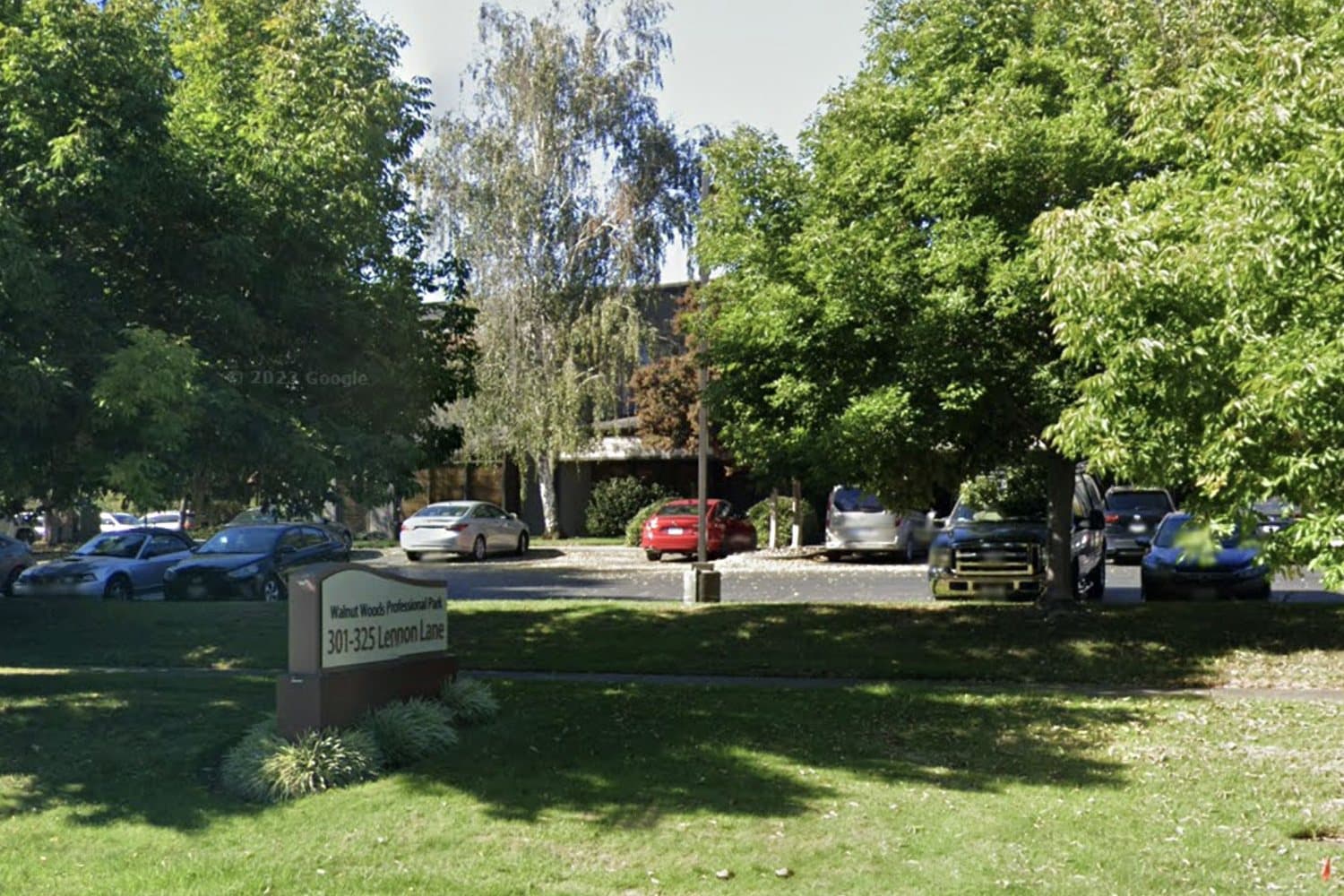
INPM Walnut Creek
301 Lennon Lane, Suite 203Walnut Creek, CA 94598
- Wed and Fri
- 8:00 AM – 5:00 PM
- Sat
- 9:00 AM – 3:00 PM
 North Bay
INPM Vallejo
155 Glen Cove Marina Rd, Suite 100Vallejo, CA 94591
- Mon, Tue and Thu
- 8:00 AM – 5:00 PM
Questions
Frequently asked questions
01What is POTS?
Postural orthostatic tachycardia syndrome (POTS) is a form of dysautonomia in which the heart rate rises quickly when you stand up. It can cause lightheadedness, fainting, fatigue and trouble concentrating.
02Can fainting be confused with a seizure?
Yes. Fainting, seizures and other spells can look alike. Autonomic testing and EEG help tell them apart, which matters because they are treated differently.
03When should fainting be checked right away?
Get emergency care if fainting happens with chest pain, a racing or irregular heartbeat, shortness of breath, a head injury, or trouble speaking or moving afterward. Also see a clinician soon if it is the first time you have fainted or if it keeps happening.
Referral required
Start with a referral from your doctor
New patients are seen by referral. Your primary care physician can fax the referral to (707) 980-6692 or send it through EPIC, and our office will call you to schedule.
- Referral fax (707) 980-6692
- EPIC referral
- We call you to schedule