

Treatment
Trigger point injections for migraine and headache
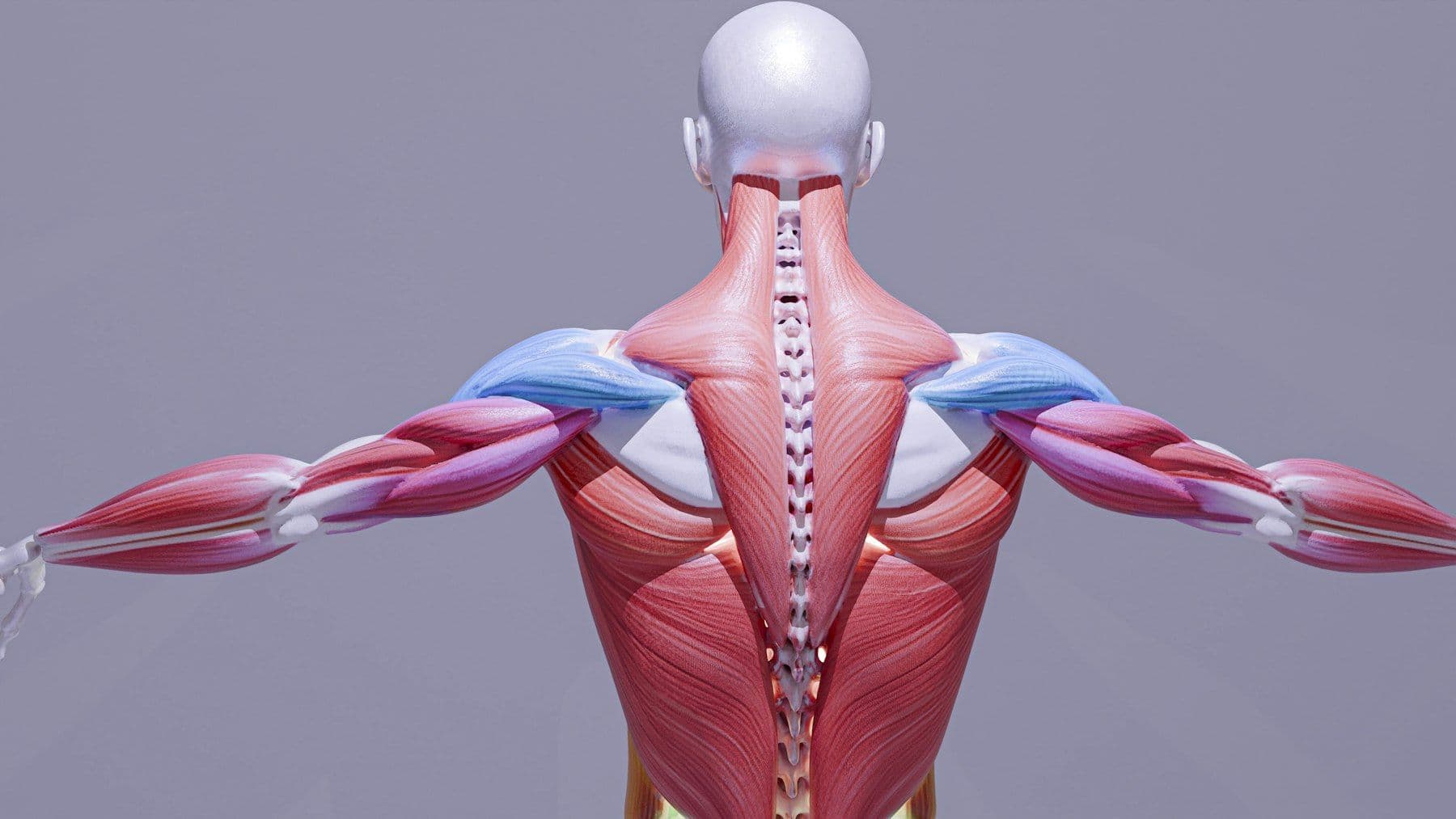
A trigger point injection places a small amount of local anesthetic, such as lidocaine, into a tight, tender knot in a muscle, called a trigger point. In the neck, shoulders and scalp, these knots can refer pain to the head and contribute to headaches. The injection aims to relax the muscle and relieve that pain.
What is a trigger point injection?
Trigger points are small, tender knots in a band of tight muscle. Pressing on one often causes pain both at the spot and in a nearby area, called referred pain. Trigger points can also cause stiffness and reduce how far you can move.
A trigger point injection uses a thin needle to place a local anesthetic, such as lidocaine, directly into the knot to relieve the pain.
Which conditions does it treat?
Trigger points in the muscles of the neck, shoulders and scalp can contribute to headaches. In tension-type headache, lidocaine injections into these trigger points reduced how often and how strongly headaches occurred in a controlled study. In migraine, the evidence for treating trigger points is still preliminary. Injections are usually one part of a plan that also includes medication, stretching and physical therapy.
 Migraine and headacheMigraine specialist care from neurologists in Walnut Creek and Vallejo, CA: symptoms, when to see a doctor, diagnosis and treatment options. By referral.Learn more about Migraine and headache
 Concussion, post-concussion and whiplashA post-concussion doctor at INPM in Walnut Creek and Vallejo: care for concussion, lingering symptoms and whiplash, with testing and headache treatment.Learn more about Concussion, post-concussion and whiplash
What happens during a session?
- Your clinician finds the trigger points by pressing on the tender muscles.
- The skin is cleaned.
- A thin needle is inserted into each trigger point and a small amount of medicine is injected. You may feel a brief twitch in the muscle.
- Several trigger points can be treated in one visit.
How long does the effect last?
Relief varies from person to person. With treatment, myofascial pain can improve within a day or a few weeks, but it can take longer for some people. Some patients need repeat sessions.
What are the risks and side effects?
The most common side effects are soreness, bruising or brief numbness at the injection site. Less common risks include bleeding and infection. When injections are done near the chest wall, there is a rare risk of a collapsed lung (pneumothorax), so your clinician takes extra care in that area.
What is recovery like?
Most people go home right after the session. Gentle stretching and staying active usually help; your clinician will tell you whether to avoid strenuous activity for a short time.
Questions
Frequently asked questions
01Do trigger point injections hurt?
You will feel a needle prick, and sometimes a brief twitch or ache as the needle reaches the knot. The area can feel sore for a short time afterward.
02What is the difference between a trigger point injection and a nerve block?
A trigger point injection targets a tight knot in a muscle. A nerve block places medicine next to a nerve, such as the occipital nerves at the back of the head, to calm the pain signals that nerve carries.
Who performs trigger point injections at INPM

Dr. Amar Anand
Neurologist · Headache, stroke and neuroimaging

Dr. Alexandra Nicholson
Neurologist · Parkinson’s disease and movement disorders

Jessica Beck, PA-C
Physician Assistant · Traumatic brain injury, migraine, seizures and memory loss

Alice Feng, PA-C
Physician Assistant · Traumatic brain injury, migraine, seizures and memory loss
Referral required
Start with a referral from your doctor
New patients are seen by referral. Your primary care physician can fax the referral to (707) 980-6692 or send it through EPIC, and our office will call you to schedule.
- Referral fax (707) 980-6692
- EPIC referral
- We call you to schedule