

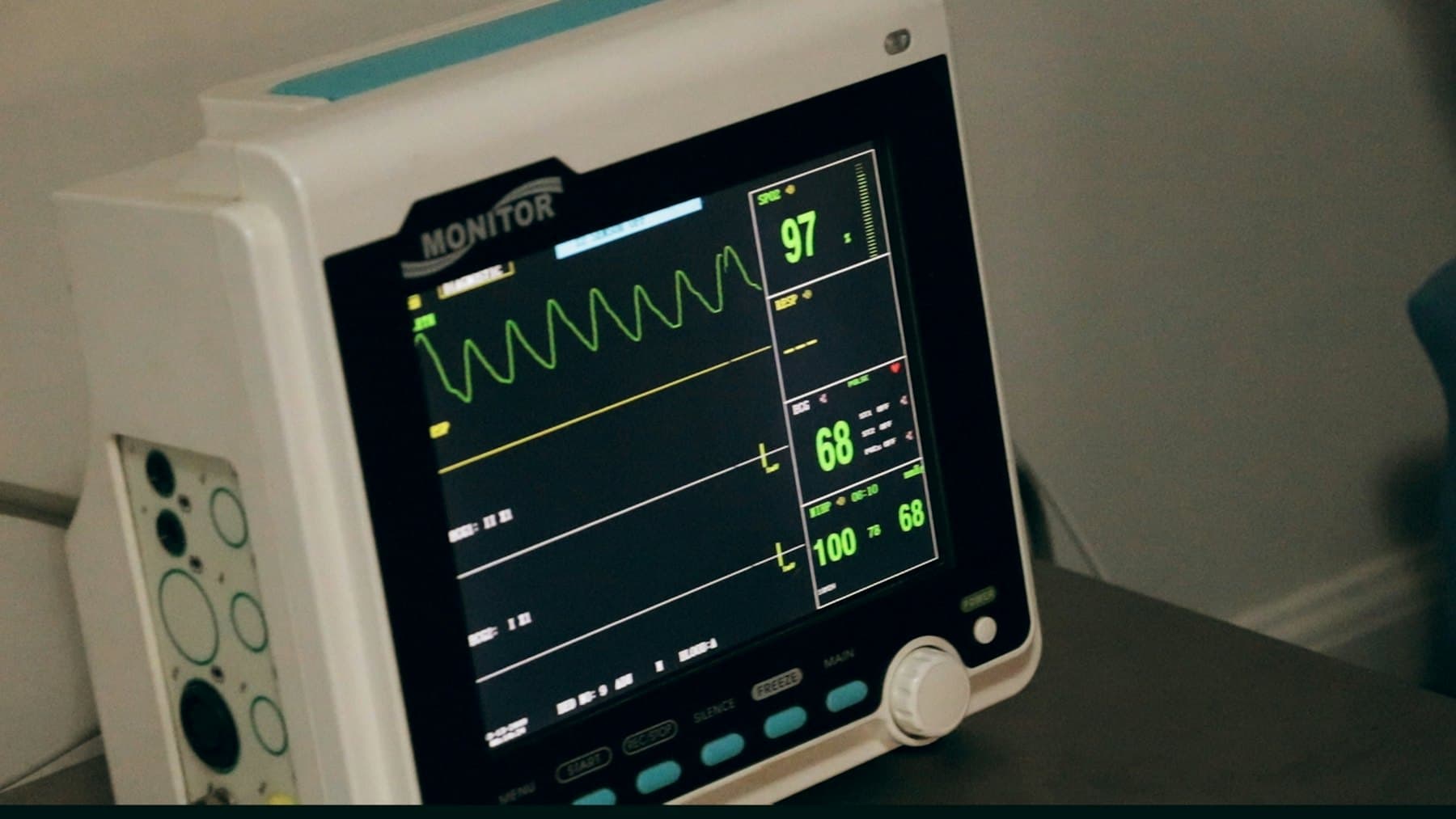
Diagnostic test
Autonomic testing
Autonomic testing is a battery of safe, non-invasive tests that measure how the autonomic nervous system controls heart rate, blood pressure, sweating and circulation. At INPM it combines a tilt table test, deep breathing, the Valsalva maneuver, a sweat test (QSART) and vascular Doppler. It helps evaluate fainting, POTS, orthostatic hypotension and small fiber neuropathy.
What is autonomic testing?
A comprehensive autonomic testing battery is a series of safe, non-invasive tests that measure how your autonomic (automatic) nervous system controls your heart rate, blood pressure, sweating and circulation.
The autonomic nervous system regulates body functions you do not consciously control. When it does not work properly, you may feel lightheaded or faint when standing, have a racing heart, sweat abnormally or feel exhausted with simple activities. The battery measures each part of the system to find the specific problem.
What does the test include?
The battery combines several short tests:
Tilt table
Heart rate and blood pressure are measured while the table tilts you upright.
Deep breathing
Your heart rate response to slow, controlled breathing.
Valsalva maneuver
How your blood pressure recovers after you bear down.
Sweat test (QSART)
The quantitative sudomotor axon reflex test: small skin sensors measure sweat.
Vascular Doppler
Ultrasound of blood flow in the arms and legs.
Why might your doctor order it?
- Recurrent fainting (syncope) or near-fainting episodes
- Suspected POTS (postural orthostatic tachycardia syndrome): a rapid heart rate when standing
- Orthostatic hypotension: blood pressure that drops when standing
- Persistent dizziness, lightheadedness or fatigue with position changes
- Suspected small fiber neuropathy
- Assessment of diabetic autonomic neuropathy
- Long COVID with cardiovascular or autonomic symptoms
- Persistent symptoms after a concussion or head injury
- Abnormal sweating: too much, too little or in the wrong places
- Unexplained fatigue or exercise intolerance
What should you expect?
Before
- For 24 to 48 hours before, avoid caffeine, alcohol, nicotine and chocolate.
- Eat a light meal 2 to 3 hours before. Do not skip food.
- Some medicines may need to be paused; we will give you specific instructions. Do not stop any medicine on your own.
- Wear loose, comfortable clothing (you may change into a gown) and avoid wearing a dress.
- Have someone drive you home if you are prone to fainting.
During
You lie comfortably on a table with monitors for heart rate, blood pressure and rhythm. Several short tests are done in sequence. The tilt portion is the longest, about 10 to 15 minutes; the rest are brief. You may feel lightheaded during some parts, which is what we are measuring. A technologist is with you throughout.
After
If you feel lightheaded, we will have you rest lying flat for a few minutes. Most patients resume normal activities right away.
Is it safe?
Autonomic testing is very safe
Yes. Autonomic testing uses:
- No radiation, no injected dye and no IV needles
- No medicines through an IV
- Skin sensors with a current you can barely feel
- The same ultrasound technology used to image babies
- Safe in pregnancy (some test modifications may apply)
How long does it take, and where is it done?
- How long it takes
- About 45 minutes
- Where
- Walnut Creek and Vallejo
- Insurance
- Coverage depends on your plan. Please check with your insurance company.
 East Bay
INPM Walnut Creek
301 Lennon Lane, Suite 203Walnut Creek, CA 94598
- Wed and Fri
- 8:00 AM – 5:00 PM
- Sat
- 9:00 AM – 3:00 PM
 North Bay
INPM Vallejo
155 Glen Cove Marina Rd, Suite 100Vallejo, CA 94591
- Mon, Tue and Thu
- 8:00 AM – 5:00 PM
Questions
Frequently asked questions
01How should I prepare for autonomic testing?
For 24 to 48 hours before, avoid caffeine, alcohol, nicotine and chocolate. Eat a light meal 2 to 3 hours before and do not skip food. Wear loose, comfortable clothing and avoid wearing a dress.
02Do I need to stop my medicines before autonomic testing?
Some medicines may need to be paused, and our office will give you specific instructions. Do not stop any medicine on your own.
03Can I drive after autonomic testing?
Most patients resume normal activities right away. If you are prone to fainting, have someone drive you home.
04Is autonomic testing safe?
Yes. It uses no radiation, no injected dye and no IV needles or medicines, and the skin sensors use a current you can barely feel. It is safe in pregnancy, although some parts of the test may be modified.
Referral required
Start with a referral from your doctor
New patients are seen by referral. Your primary care physician can fax the referral to (707) 980-6692 or send it through EPIC, and our office will call you to schedule.
- Referral fax (707) 980-6692
- EPIC referral
- We call you to schedule