
Condition
Parkinson’s disease and movement disorders neurology
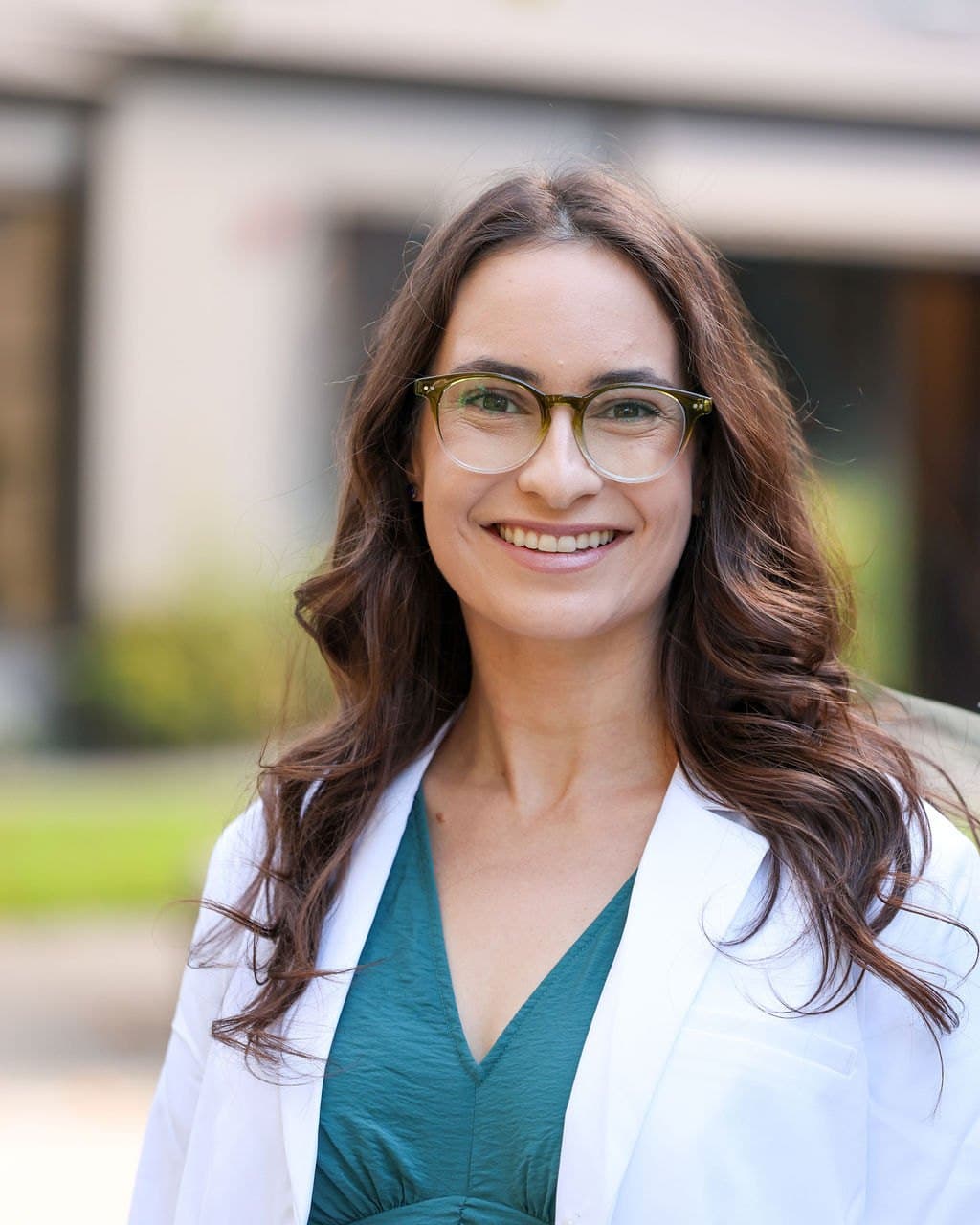
Parkinson’s disease is a brain disorder that causes slowness of movement, tremor, stiffness and balance problems, because brain cells that make dopamine weaken and die. INPM’s Dr. Alexandra Nicholson is a fellowship-trained movement disorders neurologist who diagnoses and treats Parkinson’s disease and related disorders, including deep brain stimulation (DBS) programming.
What are the symptoms of Parkinson’s disease?
The main movement symptoms are:
- Uncontrollable shaking of the hands or fingers (tremor), often at rest
- Slowness of movement
- Stiffness of the limbs and trunk
- Problems with balance and coordination
As symptoms progress, walking, talking and everyday tasks can become harder. Many people also have non-movement symptoms, such as sleep problems, constipation, low mood or changes in thinking.
When should you see a doctor?
See a clinician if you notice a new tremor, slowness, stiffness, a change in your handwriting or walking, or frequent falls.
How is Parkinson’s disease diagnosed at INPM?
There is no single test that confirms Parkinson’s disease. Your neurologist relies on your medical history and a detailed neurological exam to look for typical movement problems, and may order laboratory or imaging tests to rule out other causes.
What treatment options are available?
Medicines, such as levodopa, can improve movement symptoms. Exercise, physical therapy and speech therapy help many people. For some patients, deep brain stimulation (DBS) is an option; Dr. Nicholson assesses candidacy for DBS surgery and programs the device for patients who have one. She also performs neurotoxin injections for movement disorders such as dystonia.
Who treats Parkinson’s disease at INPM?
Where can you be seen?
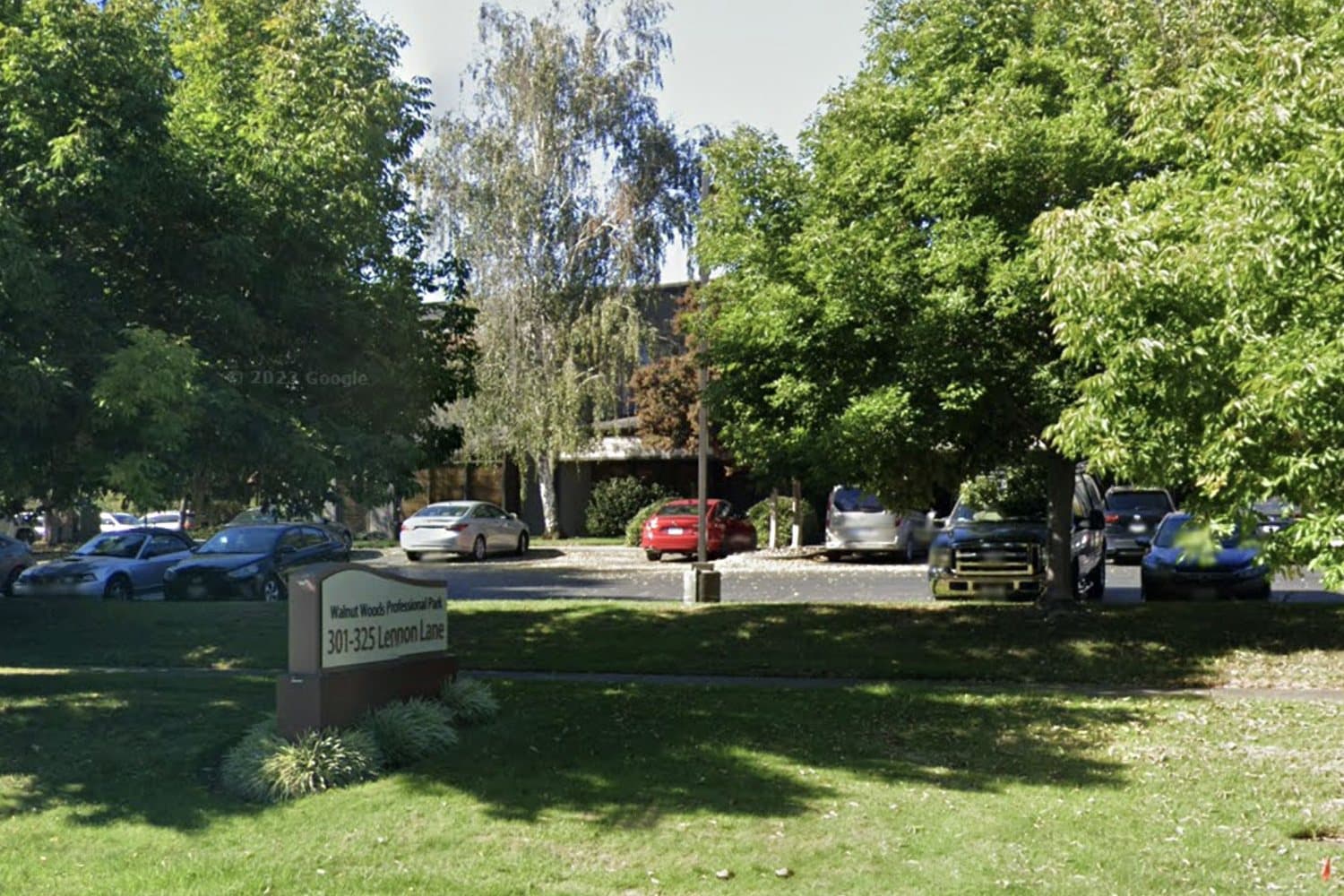 East Bay
INPM Walnut Creek
301 Lennon Lane, Suite 203Walnut Creek, CA 94598
- Wed and Fri
- 8:00 AM – 5:00 PM
- Sat
- 9:00 AM – 3:00 PM
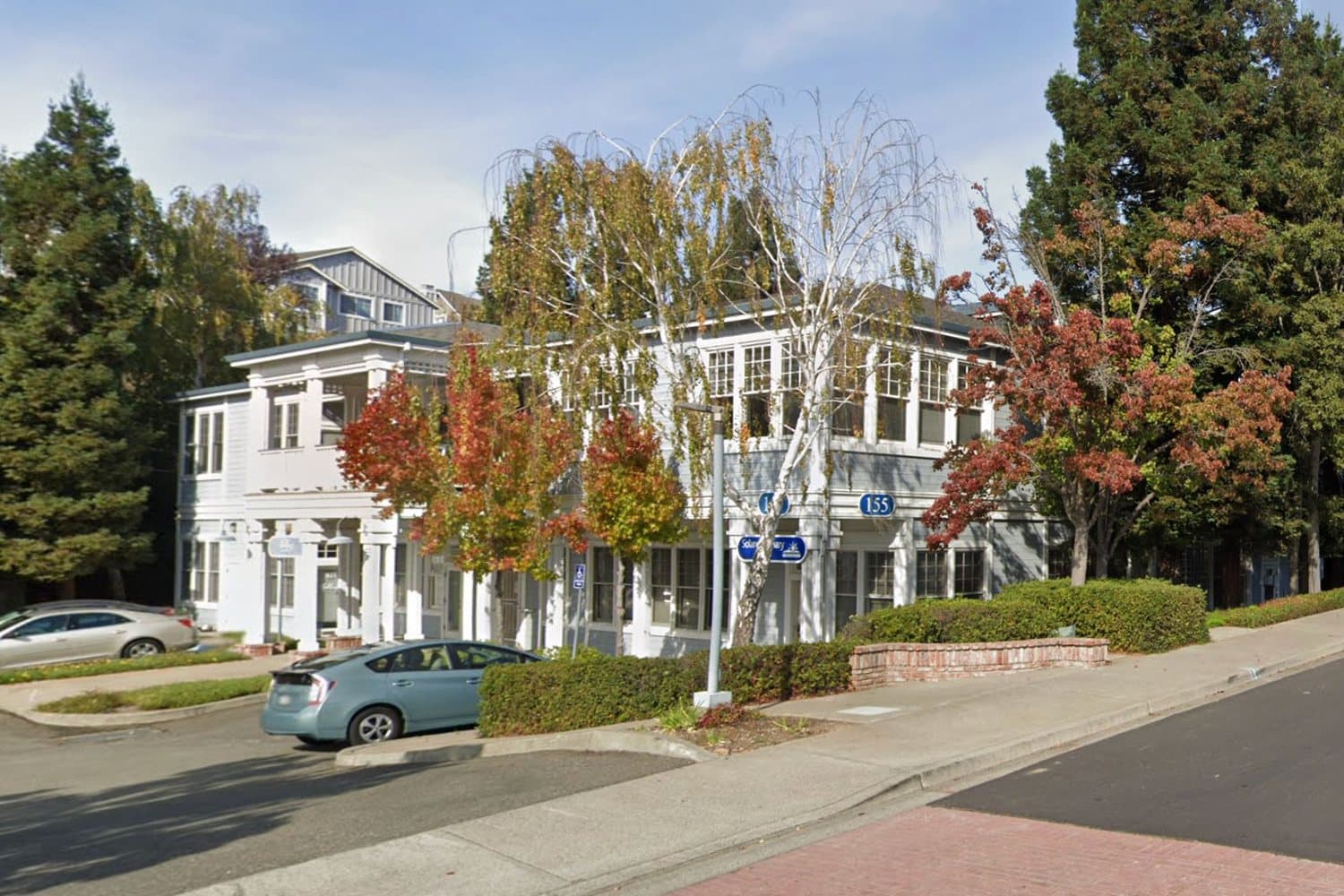 North Bay
INPM Vallejo
155 Glen Cove Marina Rd, Suite 100Vallejo, CA 94591
- Mon, Tue and Thu
- 8:00 AM – 5:00 PM
Questions
Frequently asked questions
01Is there a test for Parkinson’s disease?
There is no single test that confirms Parkinson’s disease. Doctors rely on your history and a neurological exam, and may use laboratory or imaging tests to rule out other conditions.
02What is deep brain stimulation programming?
Deep brain stimulation (DBS) uses a surgically implanted device to deliver electrical pulses to specific areas of the brain. After surgery, the device is adjusted, or programmed, to control symptoms; Dr. Nicholson has specialized training in assessing candidates and programming DBS.
Referral required
Start with a referral from your doctor
New patients are seen by referral. Your primary care physician can fax the referral to (707) 980-6692 or send it through EPIC, and our office will call you to schedule.
- Referral fax (707) 980-6692
- EPIC referral
- We call you to schedule