

Condition
Neuralgia: trigeminal and occipital nerve pain
Neuralgia is sharp, shock-like nerve pain. Trigeminal neuralgia causes sudden attacks of severe pain on one side of the face, often triggered by touch, chewing or wind. Occipital neuralgia causes piercing or throbbing pain at the back of the head. Medicines are usually the first treatment, and nerve blocks can help diagnose and relieve occipital pain.
What are the symptoms of neuralgia?
Trigeminal neuralgia affects the nerve that carries feeling from the face. It causes:
- Sudden, intense, shock-like or stabbing pain, usually on one side of the face
- Attacks that last a few seconds, up to about two minutes, and can repeat many times a day
- Burning, aching or tingling between attacks
It is most common in people over 50 and in women, and in some people the attacks become longer and more frequent over time.
Occipital neuralgia affects the nerves that run from the upper neck over the back of the scalp. The pain can be aching, burning, throbbing, or sudden and piercing like an electric shock, usually starting at the back of the head or behind one eye.
When should you see a doctor?
See a clinician if you have repeated attacks of sharp facial or head pain, pain that wakes you or stops you from eating or talking, or pain that keeps coming back after a head or neck injury.
How is neuralgia diagnosed at INPM?
Diagnosis starts with your history and a neurological exam. For trigeminal neuralgia, an MRI is usually ordered to look for a blood vessel pressing on the nerve or another cause of facial pain. For occipital neuralgia, an occipital nerve block can show whether that nerve is the source of the pain.
What treatment options are available?
For trigeminal neuralgia, medicines that calm nerve signals, such as anticonvulsants, are usually the first treatment; surgery is considered only when medicines fail or cause intolerable side effects. For occipital neuralgia, options include heat, massage, physical therapy, medicines and nerve blocks.
At INPM, treatment can include:
Who treats neuralgia at INPM?

Dr. Amar Anand
Neurologist · Headache, stroke and neuroimaging

Dr. Alexandra Nicholson
Neurologist · Parkinson’s disease and movement disorders
Where can you be seen?
 East Bay
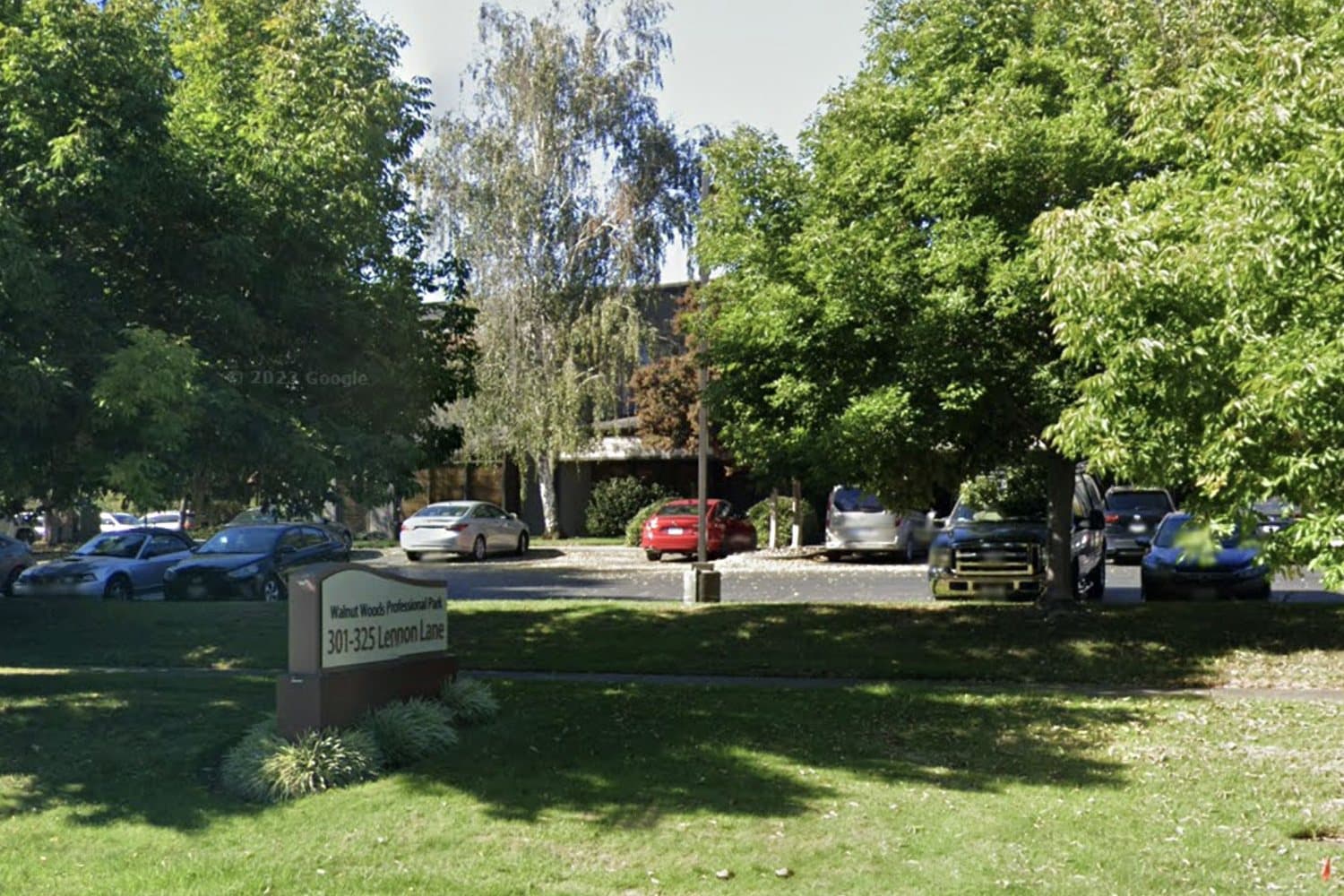
INPM Walnut Creek
301 Lennon Lane, Suite 203Walnut Creek, CA 94598
- Wed and Fri
- 8:00 AM – 5:00 PM
- Sat
- 9:00 AM – 3:00 PM
 North Bay
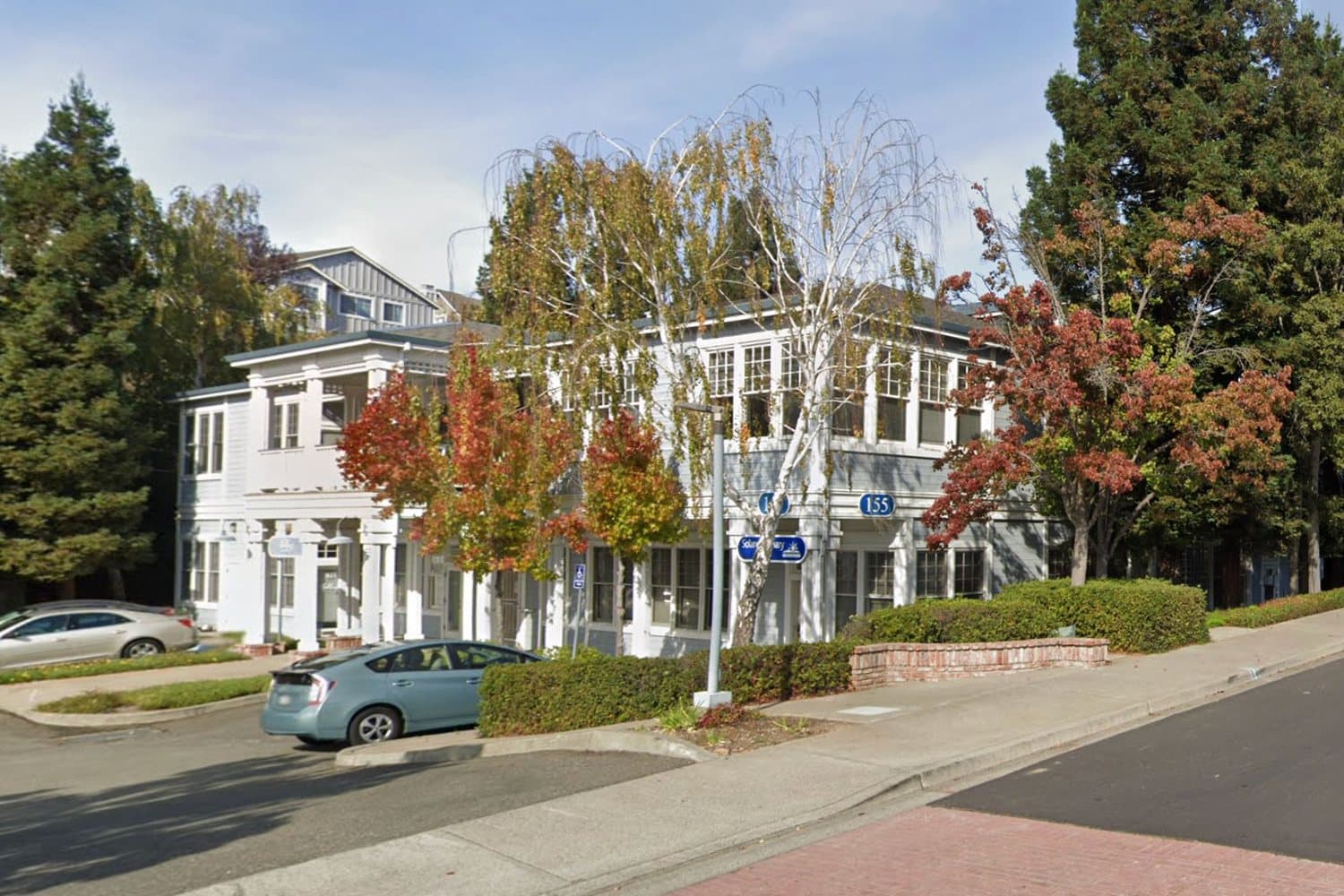
INPM Vallejo
155 Glen Cove Marina Rd, Suite 100Vallejo, CA 94591
- Mon, Tue and Thu
- 8:00 AM – 5:00 PM
Questions
Frequently asked questions
01What triggers trigeminal neuralgia attacks?
Attacks can be set off by light contact with the cheek, such as shaving, washing the face or putting on makeup. Brushing teeth, eating, drinking, talking or even a breeze can also trigger them.
02Can whiplash cause occipital neuralgia?
Yes. Occipital neuralgia can develop after a head or neck injury, including whiplash. Pinched nerves and tight neck muscles are other common causes.
03How is occipital neuralgia confirmed?
It can be hard to tell apart from migraine. An occipital nerve block can help: if numbing the nerve relieves the pain, the occipital nerve is likely the source.
Referral required
Start with a referral from your doctor
New patients are seen by referral. Your primary care physician can fax the referral to (707) 980-6692 or send it through EPIC, and our office will call you to schedule.
- Referral fax (707) 980-6692
- EPIC referral
- We call you to schedule